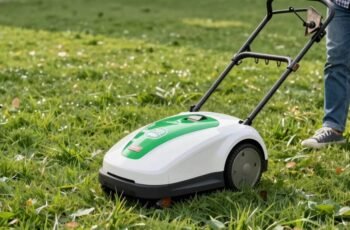
Did you know that a typical robotic mower requires only about a square meter of storage space, while ride-on mowers can take up five times that? This stark difference influences how we choose and plan for storing each type. As we explore the best options and considerations for safeguarding these machines, you’ll see why understanding their specific needs is essential—especially when considering long-term maintenance and costs. Let’s take a closer look at what makes each storage solution unique.
Key Takeaways
- Robotic mowers are compact and suitable for indoor or small outdoor storage, while ride-on mowers require larger, sheltered outdoor spaces.
- Robotic mowers benefit from weatherproof lockable enclosures to protect against dust and pests, unlike ride-on mowers needing elevated storage to prevent flat spots.
- Proper maintenance before storage includes cleaning blades and stabilizing fuel; robotic mowers need protection from debris, ride-on mowers require cover covers.
- Storage costs vary: larger ride-on mowers need bigger, more expensive spaces, while robotic mowers need smaller, weather-resistant solutions.
- Both require dry, sheltered environments; robotic mowers benefit from pest protection, ride-on mowers from elevated storage to prevent tire damage.
How Do Robotic and Ride-On Mowers Differ in Size and Storage Needs?
Although both robotic and ride-on mowers serve to maintain lawns, they differ considerably in size and storage needs. Robotic mowers are compact and lightweight, often fitting easily into a garage corner or closet. Their small size means they take up minimal space and can be stored indoors without much trouble. In contrast, ride-on mowers are much larger and heavier, requiring more substantial storage solutions like a shed or a dedicated garage space. Their bulky design often demands careful planning for storage, especially in smaller yards. While robotic mowers can be tucked away easily, ride-on mowers need more room and sometimes specialized equipment to keep them secure during off-season months. Understanding these size differences helps us plan better for storage options.
What Are the Best Storage Options for Robotic Mowers?
When choosing storage for robotic mowers, weatherproof solutions are essential to protect against the elements. Secure charging stations keep the mower safe and ready for use, while compact storage options fit neatly into smaller spaces. Let’s explore the best ways to keep your robotic mower protected and efficient.
Weatherproof Storage Solutions
Have you ever wondered what the best weatherproof storage options are for robotic mowers? Protecting your mower from the elements is key to ensuring its longevity and performance. The ideal solution keeps it dry, shields it from extreme temperatures, and prevents rust or damage.
Some top weatherproof options include:
- Weather-resistant sheds that are specially designed for outdoor storage
- Lockable cabinets made from durable, corrosion-resistant materials
- Garage or covered porch storage that provides ample shelter from rain and sun
Choosing the right storage depends on your space and climate, but prioritizing weatherproofing helps extend your mower’s lifespan and keeps it ready to mow whenever you need it.
Secure Charging Stations
A secure charging station is essential for keeping robotic mowers protected and ready to operate. It guarantees the mower stays safe from theft, vandalism, and harsh weather conditions. The best stations are weatherproof, lockable, and sturdy, providing a safe environment for the mower when not in use. Some stations are integrated into a dedicated shed or enclosure, offering additional security and shelter. Others feature locking mechanisms or alarms to deter theft. It’s also helpful if the charging station is positioned in a convenient, accessible location, minimizing the risk of damage during deployment or retrieval. Investing in a reliable, secure charging station not only prolongs your mower’s lifespan but also guarantees it’s always ready to keep your lawn tidy without worry.
Compact Storage Options
Ever wondered how to store your robotic mower efficiently without sacrificing space? Compact storage options are perfect for maximizing your yard’s real estate. One great solution is a wall-mounted rack, which keeps the mower off the ground and easy to access. Another option is a small, weatherproof storage box—ideal for protecting your mower from the elements while taking up minimal space. Finally, consider a foldable or collapsible shelter that can be tucked away when not in use, saving room. These options help keep your mower secure, protected, and ready to go without cluttering your yard. Choosing the right compact storage depends on your space, climate, and how often you use your mower. With the right setup, managing storage becomes simple and efficient.
How to Properly Store Your Ride-On Mower to Prevent Damage?
Proper storage starts with cleaning your mower to remove dirt and debris, which can cause rust or damage over time. Next, we recommend selecting a dry, sheltered location to protect it from the elements. Finally, using a protective cover can shield your mower from dust and moisture when it’s not in use.
Clean Before Storage
Have you ever overlooked the importance of cleaning your ride-on mower before storing it for the off-season? Skipping this step can lead to rust, corrosion, and mechanical issues down the line. To avoid these problems, we make certain to:
- Remove grass clippings, dirt, and debris from the blades, deck, and engine area
- Wipe down the exterior with a damp cloth to prevent buildup
- Change the oil and clean or replace the air filter to keep the engine healthy
Cleaning thoroughly helps identify any damage or wear that needs attention before storage. It also ensures that pests and moisture don’t find cozy spots to hide, which could cause further damage. Proper cleaning is a simple but essential step to keep your mower in top shape for next season.
Choose Proper Location
Choosing the right storage location is essential to protecting your ride-on mower from damage. We recommend storing it in a dry, sheltered area, like a garage or shed, away from direct sunlight and harsh weather. Avoid placing it outdoors where rain, snow, or extreme temperatures can cause rust and deterioration. The location should have a stable surface, preferably concrete or paved, to prevent the mower from sinking or tipping. Make sure there’s enough space around the mower for easy access and maintenance. Keeping it in a well-ventilated spot helps prevent moisture buildup, which can lead to mold or corrosion. By selecting an appropriate location, you minimize exposure to elements that could compromise your mower’s longevity and performance.
Use Protective Covering
Once you’ve selected a suitable storage spot, covering your ride-on mower provides an extra layer of protection against dust, debris, and moisture. A good cover helps keep your mower clean and prevents rust or corrosion, especially during long-term storage. When choosing a cover, make sure it’s breathable to avoid condensation buildup.
Some tips to consider:
- Opt for a weather-resistant cover designed specifically for mowers.
- Confirm the cover fits snugly to prevent it from blowing off.
- Check regularly for tears or signs of wear, replacing it if needed.
Using a protective cover is a simple but effective way to extend your mower’s lifespan and keep it in top shape, ready for the next mowing season.
What Factors Affect the Cost of Mower Storage Solutions?
The cost of mower storage solutions varies widely depending on several key factors. First, the size of your mower impacts the price—larger models require bigger, more expensive storage options. Material quality also plays a role; heavy-duty, weather-resistant materials like metal or reinforced plastic cost more but offer better durability. Location affects costs too—storage solutions in areas with high labor or delivery fees tend to be pricier. Additionally, whether you opt for a custom-built or prefabricated unit influences the expense. Features like lockable doors, ventilation, or insulation can add to the overall cost. Finally, installation fees, if applicable, can vary based on complexity and whether professional help is needed. All these elements combine to determine the total investment needed for your mower storage.
Choosing the Right Storage Space for Your Lawn Equipment
Have you ever wondered how to find the best spot for your lawn equipment? Choosing the right storage space is essential for protecting your tools and prolonging their lifespan. First, consider a location that’s dry, sheltered, and easily accessible—no one wants to wrestle with weather or obstacles. Second, think about space requirements: guarantee enough room for your mower and any accessories, with room to move around comfortably. Finally, evaluate security; pick a spot where your equipment is less vulnerable to theft or vandalism. Some good options include a dedicated shed, a covered wall-mounted rack, or a corner of your garage. Prioritizing accessibility, protection, and security will keep your lawn gear in top shape season after season.
Tips for Maintaining Your Mower During Off-Season Storage
Properly maintaining your mower during off-season storage helps guarantee it stays in good condition and ready for use when spring arrives. First, clean off any grass, dirt, and debris from the blades, deck, and engine. This prevents rust and buildup that can cause damage. Next, change the oil and replace the fuel with fresh fuel or add a fuel stabilizer to prevent varnishing. Remove the spark plug and pour a few drops of oil into the cylinder, then pull the starter cord to distribute it. Store the mower in a dry, sheltered location, ideally on a stand or blocks to prevent flat spots. Cover it with a breathable fabric cover to protect it from dust and pests. Regularly inspecting your mower during storage keeps it in top shape for the season ahead.
Common Mistakes to Avoid When Storing Your Lawn Mower
While it’s tempting to just put your mower away at the end of the season, skipping common storage mistakes can lead to costly repairs or reduced performance next year. One mistake to avoid is neglecting to clean the mower thoroughly, which can cause rust or clogging. Another is forgetting to drain or stabilize the fuel, risking engine damage or leaks. Additionally, storing the mower in a damp or unprotected area can lead to corrosion and electrical issues. Be sure to:
Avoid common storage mistakes to keep your mower in top shape for next season.
- Clean and dry all parts before storage
- Use fuel stabilizer or drain the tank
- Store in a dry, sheltered location
Avoiding these pitfalls helps ensure your mower stays in top shape and ready to mow when spring arrives. Proper storage preserves your equipment’s lifespan and performance.
Frequently Asked Questions
Can Robotic Mowers Be Stored Outdoors Safely?
Yes, robotic mowers can be stored outdoors safely if they’re protected from extreme weather, like rain and snow, with a weatherproof cover. Regular maintenance and checking for damage help guarantee longevity and peak performance.
How Much Space Is Needed for Storing a Ride-On Mower?
We need about 4 to 6 feet of width and 8 to 12 feet of length to store a ride-on mower comfortably. This space allows easy access and room for maintenance, preventing damage and ensuring longevity.
Are Special Ventilation Requirements Necessary for Mower Storage?
Yes, special ventilation is necessary for mower storage. We recommend ensuring good airflow to prevent moisture buildup, which can cause rust and damage. Keeping the area well-ventilated helps prolong your mower’s lifespan and maintains its performance.
What Security Measures Protect Stored Robotic Mowers From Theft?
Just like a fortress guards its treasure, we secure robotic mowers with sturdy locks, alarms, and surveillance cameras. We also store them in locked sheds or garages, deterring thieves and ensuring peace of mind when not in use.
Is Professional Storage Recommended for High-End Ride-On Mowers?
We recommend professional storage for high-end ride-on mowers to guarantee maximum security, protection from weather, and proper maintenance. It keeps your investment safe, extends its lifespan, and provides peace of mind knowing your mower is well cared for.
Conclusion
In the end, choosing the right storage depends on your mower type and space. Did you know that improperly stored mowers can lose up to 50% of their lifespan? Proper storage not only protects your investment but also saves you money in the long run. Whether it’s a compact shed for your robotic mower or a sturdy garage for your ride-on, thoughtful storage guarantees your equipment stays in top shape and ready when you need it most.