When choosing between a robotic mower and a ride-on mower, understanding their maintenance needs is essential. Both options serve different lawn care needs and come with distinct upkeep routines and costs. We’ll explore what’s involved in maintaining each type, helping you determine which suits your budget and schedule better. As we examine these differences, you’ll see that the right choice can greatly impact your time and effort spent on lawn care.
Key Takeaways
- Robotic mowers require weekly blade cleaning, software updates, and occasional blade replacements for optimal performance.
- Ride-on mowers need regular oil changes, blade sharpening, and engine maintenance, resulting in higher long-term servicing costs.
- Robotic mowers have fewer moving parts, leading to less frequent repairs and lower maintenance expenses.
- Ride-on mowers demand manual checks of belts, tires, and engine components, increasing time and labor needed.
- Troubleshooting robotic mowers often involves cleaning sensors and charging contacts, while ride-on mowers focus on mechanical part inspections.
Understanding the Differences Between Robotic and Ride-On Mowers
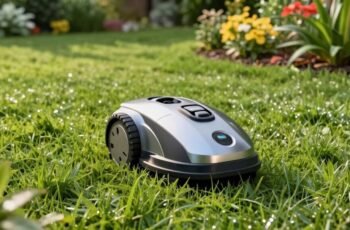
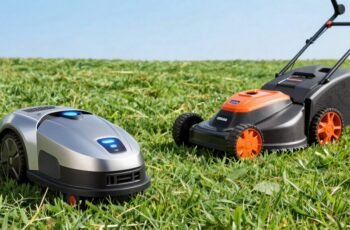
While both robotic and ride-on mowers serve the purpose of maintaining large lawns, they differ considerably in design and operation. Robotic mowers are compact, automated devices that cut grass gradually and quietly, often operating on a set schedule. They’re autonomous, relying on sensors and boundary wires to navigate your yard, and require minimal intervention once set up. Ride-on mowers, on the other hand, resemble small tractors with large cutting decks. They’re manually operated, offering more control and power, especially for uneven terrain or thicker grass. While robotic mowers are ideal for low-maintenance, consistent trimming, ride-on mowers are better suited for larger, more complex lawns needing more aggressive cutting and maneuverability. Understanding these fundamental differences helps you choose the right mower for your lawn’s needs.
Maintenance Requirements for Robotic Mowers
Robotic mowers are designed to require minimal maintenance, but regular upkeep is essential to keep them operating efficiently. We recommend cleaning the mower’s underside and blades weekly to prevent grass buildup, which can affect cutting performance. Checking the blades for sharpness and replacing them when dull ensures a clean cut and prolongs motor life. It’s also important to inspect the charging contacts and keep them free of dirt or debris for reliable charging. Additionally, regularly empty the grass collection area if your model has one. We suggest updating the software when updates are available to improve performance and security. Finally, keep an eye on the wheels and wheels’ sensors, ensuring they move smoothly and aren’t obstructed. Consistent attention helps your robotic mower run smoothly and extends its lifespan.
Essential Upkeep for Ride-On Mowers
Regular upkeep is essential to keep ride-on mowers running efficiently and safely. We recommend inspecting the blades regularly, sharpening or replacing them as needed to guarantee a clean cut and prevent strain on the motor. Checking the oil level and changing it according to the manufacturer’s instructions helps keep the engine running smoothly. It’s also important to clean the air filter regularly to prevent debris from clogging the engine. Tire pressure should be checked frequently to promote even cutting and peak performance. Additionally, inspecting belts and pulleys for wear and tear can prevent breakdowns. Regularly cleaning the mower deck removes grass buildup, which can impair cutting efficiency. By staying on top of these maintenance tasks, we maximize the mower’s lifespan and ensure safe, reliable operation.
Cost and Time: Comparing Maintenance Investments
Comparing the costs and time commitment required for maintaining robotic mowers versus ride-on mowers reveals significant differences that can influence your long-term investment. Robotic mowers generally demand less ongoing maintenance, saving you both time and money. They have fewer moving parts, which means less frequent repairs and lower replacement costs. Ride-on mowers, on the other hand, typically require more regular service, such as oil changes, blade sharpening, and engine tune-ups, adding to your expenses over time.
- Lower initial and maintenance costs for robotic mowers
- Less frequent servicing and repairs
- Reduced labor time for upkeep
- Long-term savings on replacement parts
Troubleshooting Common Lawn Mower Problems
While robotic mowers often require less maintenance overall, they can still encounter common issues that disrupt their performance. One frequent problem is the mower not charging properly, which might be due to dirty or damaged charging contacts. In such cases, cleaning the contacts or replacing faulty parts solves the issue. Another common problem is the mower getting stuck or not orchestrating correctly, often caused by tangled blades, overgrown grass, or obstacles. Clearing debris and trimming thick grass can improve operation. Additionally, software glitches may cause malfunctions; a simple reset or software update usually fixes this. Regularly inspecting blades, checking sensors, and keeping the mower’s components clean help prevent many issues, ensuring smooth and reliable performance.
Frequently Asked Questions
How Often Should Robotic Mower Blades Be Replaced?
We recommend replacing robotic mower blades every 2-4 weeks, depending on grass type and cutting frequency. Regularly inspect blades for dullness or damage, and replace them promptly to guarantee peak performance and a clean, healthy cut.
What Safety Precautions Are Necessary During Ride-On Mower Maintenance?
We always wear gloves and protective eyewear, disconnect the spark plug, and guarantee the mower is on a flat surface before maintenance. We also keep children and pets away to stay safe during these procedures.
Can Robotic Mowers Handle Uneven or Sloped Terrain Effectively?
Robotic mowers can handle uneven or sloped terrain effectively, especially models designed for rough terrain. We recommend checking the manufacturer’s specifications to make certain your robotic mower is suitable for your specific yard’s terrain.
Are There Eco-Friendly Maintenance Options for Both Mower Types?
We believe eco-friendly maintenance options exist for both mower types. We recommend using biodegradable oils, eco-friendly fuels, and regular blade sharpening to reduce environmental impact, ensuring efficient operation while caring for our planet.
How Does Seasonal Weather Affect Robotic and Ride-On Mower Upkeep?
Seasonal weather impacts both mowers considerably; we clean and inspect them more often in winter, remove debris after storms, and adjust settings for growth changes. Proper maintenance guarantees efficiency, longevity, and safe operation year-round.
Conclusion
In conclusion, robotic mowers require considerably less maintenance—about 50% less time on average—making them a hassle-free option for busy homeowners. With their minimal upkeep, they save both time and money in the long run. Considering that over 70% of users report fewer maintenance headaches, it’s clear that robotic mowers are a smart choice for those seeking convenience and efficiency. We believe they can truly transform lawn care routines for the better.