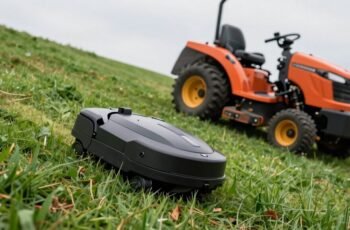
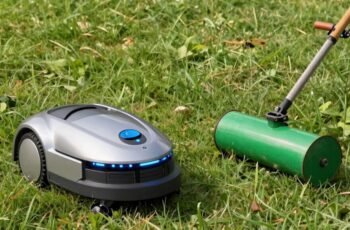
When comparing the costs of robot mowers and traditional lawnmowers, we find that initial prices vary considerably, often influenced by advanced features and technology. While robot mowers come with a higher upfront investment, they promise savings over time through lower maintenance and energy costs. But are those savings enough to justify the difference in initial expense? Exploring these factors can help you determine which option truly offers better value for your needs.
Key Takeaways
- Robot mowers typically cost $600 to over $2,000, while conventional mowers range from $200 to $800.
- Initial purchase price for robot mowers is higher due to advanced technology features.
- Operating costs favor robot mowers, as they use electricity and require less maintenance than gas-powered models.
- Long-term expenses for robot mowers include battery replacements and software updates, whereas conventional mowers need fuel, oil, and repairs.
- Overall, robot mowers may save money over time through reduced maintenance and energy costs despite higher initial investment.
How Do Initial Costs of Robot and Conventional Mowers Compare?
When comparing the initial costs of robot and conventional mowers, it’s clear that robot mowers typically come with a higher upfront price tag. These smart devices often range from $600 to over $2,000, depending on size and features. In contrast, conventional mowers usually cost between $200 and $800, making them more affordable initially. The higher cost of robot mowers reflects their advanced technology, sensors, and automation capabilities. While the upfront investment is significant, it’s important to take into account that this cost covers the convenience of automated mowing and often includes features like programmable schedules and app control. Despite the higher initial expense, many see the long-term benefits of reduced effort and time saved as worthwhile.
What Features and Technologies Affect Mower Prices?
The features and technologies integrated into a mower substantially influence its price, as they determine the device’s capabilities and convenience. For robotic mowers, advanced navigation systems like GPS, boundary sensors, and obstacle detection increase costs but enhance performance. Smart connectivity features, allowing remote control or app integration, also add to the price. On the other hand, conventional mowers with high horsepower engines or larger cutting decks tend to be more expensive, but they lack the automation benefits of robotic models. Additional features like mulching blades, adjustable cutting heights, and weather sensors can drive up costs regardless of the mower type. Ultimately, enhanced technology and extra features improve efficiency and user experience but come with a higher price tag.
Are Fuel and Electricity Costs Major Factors?
Fuel efficiency and electricity costs can substantially impact the overall expenses of lawn care. While fuel prices fluctuate, electricity rates vary by location, affecting the long-term costs of robotic and traditional mowers. Understanding these factors helps us determine which option is more economical over time.
Fuel Efficiency Comparison
Are fuel and electricity costs significant factors when comparing robot mowers to conventional gas-powered models? Yes, they play a key role in overall efficiency. Gas-powered mowers typically consume fuel based on engine size and usage, making their operating costs more variable. Conversely, robot mowers rely on electricity, which can be more predictable and often cheaper, especially if you have access to renewable sources. When evaluating fuel efficiency, robot mowers tend to use less energy because they operate more precisely and for longer periods without idling or wasting fuel. However, the actual savings depend on local fuel and electricity prices, as well as how often each mower runs. Overall, electricity tends to be more cost-effective and environmentally friendly than gasoline, influencing long-term operating expenses.
Electricity Cost Variability
Electricity costs can vary considerably depending on location, time of use, and the source of power. This variability impacts the operating expenses of both robot and conventional mowers, but especially robot mowers, which rely solely on electricity. In areas where electricity is cheap, running a robot mower can be more economical over time. Conversely, in regions with high electricity rates, the cost difference may narrow or even favor traditional mowers, depending on fuel prices. Additionally, renewable energy sources like solar can reduce electricity costs further, making robot mowers even more attractive. However, fluctuations in electricity prices mean that predicting long-term savings isn’t always straightforward. Ultimately, understanding local electricity costs is key when evaluating the true cost impact of a robot mower versus a conventional one.
What Are the Ongoing Maintenance Expenses?
When considering ongoing maintenance, battery replacement is a key expense for robot mowers, while conventional mowers mainly require regular servicing like oil changes and blade sharpening. We need to factor in how often batteries need replacing and the costs involved, along with routine upkeep. These ongoing expenses can substantially influence the total cost over time.
Battery Replacement Costs
Battery replacement costs are an important factor to take into account when evaluating ongoing maintenance expenses for robot mowers. Typically, these batteries last between 2 to 4 years, depending on usage and model quality. When it’s time for a replacement, costs can range from $100 to $300, which is a significant ongoing expense. High-quality batteries tend to last longer and perform better, but they also come with a higher initial price. It’s essential to factor in these costs when considering the long-term affordability of a robot mower. Regularly monitoring battery health can help extend its lifespan and delay replacement. Overall, while the upfront cost can seem appealing, battery replacements are a key expense to plan for in the lifecycle of your robot mower.
Regular Servicing Expenses
Regular servicing expenses are an ongoing part of maintaining a robot mower’s performance and longevity. These costs include routine blade sharpening or replacement, cleaning sensors, and checking for debris that can hinder operation. Unlike traditional mowers, robot mowers typically require less frequent maintenance, but small adjustments are still necessary to keep them running smoothly. Periodic software updates may also be needed, often at no additional cost, depending on the model. Some models might need occasional battery checks or replacements, adding to the expenses. Overall, regular service costs tend to be lower than those of conventional mowers, mainly because robot mowers have fewer moving parts and require less manual intervention. Proper maintenance guarantees peak performance and extends the life of your mower.
How Do Long-Term Costs and Value Compare?
Although the initial investment for a robot mower is higher, it often pays off over time through lower maintenance and operational costs. Traditional mowers require regular fuel, oil, and occasional repairs, which add up quickly. In contrast, robot mowers run on electricity, typically costing less to operate daily. They also tend to require less routine maintenance, like blade replacements or engine repairs. Over several seasons, these savings become significant. Additionally, robot mowers often maintain a more consistent cut, reducing the need for extra trimming or overseeding. While the upfront price is higher, the cumulative savings on fuel, repairs, and maintenance make robot mowers a more cost-effective choice for long-term value. This makes them a smart investment for those prioritizing efficiency and lower ongoing expenses.
Are There Hidden Expenses in Choosing a Mower?
While the initial purchase price often grabs our attention, there are several hidden expenses that can catch buyers off guard when choosing between robot and traditional mowers. For robot mowers, hidden costs include replacement blades, batteries, and potential software updates or repairs. You might also need to invest in additional accessories like charging stations or boundary wires. Traditional mowers, on the other hand, can incur costs for fuel, oil, spark plugs, and regular maintenance. Plus, if the mower breaks down, repair or replacement parts can add up. Both options also involve labor—either time spent mowing or paying for professional maintenance. These ongoing expenses are easy to overlook initially but can considerably impact the total cost of ownership over time.
Which Mower Offers Better Value for Budget-Conscious Homeowners?
For homeowners on a tight budget, choosing the right mower means balancing initial costs with ongoing expenses. Robot mowers typically have higher upfront prices but lower maintenance and fuel costs over time. Conventional mowers are usually cheaper initially but may incur higher expenses for fuel, oil, and repairs. To determine better value, consider:
- Upfront purchase price
- Maintenance and repair costs
- Fuel or electricity expenses
- Frequency of replacements or upgrades
Robot mowers can save money long-term through less maintenance and energy use. However, if your budget cannot cover the initial investment, a traditional mower might be more accessible. Ultimately, the best choice depends on your budget, yard size, and willingness to invest in future savings.
How to Calculate the Total Cost of Ownership for Your Mower
Calculating the total cost of ownership for your mower involves more than just considering the initial purchase price. We need to account for ongoing expenses like fuel or electricity, maintenance, repairs, and eventual replacement costs. For a conventional mower, factor in fuel costs, oil changes, blade sharpening, and potential breakdowns. With a robot mower, consider electricity consumption, battery replacements, and software updates. We should also think about the mower’s lifespan and how often it requires servicing. Comparing these costs over several years helps us understand which mower is more economical long-term. By calculating these expenses, we can make an informed decision that balances affordability with convenience, ensuring we choose the mower that best fits our budget and maintenance preferences.
Frequently Asked Questions
How Do Warranty Periods Impact Overall Mower Costs?
Warranty periods help us manage overall mower costs by covering repairs and replacements, reducing unexpected expenses and providing peace of mind. Longer warranties often mean better value, making the mower more cost-effective over its lifespan.
What Are the Resale Values of Robot Versus Conventional Mowers?
We find that robot mowers tend to retain their charm better over time, often fetching higher resale values, while conventional mowers might see more depreciation. We recommend considering long-term value when choosing your ideal mower.
Do Insurance Costs Differ Between Robot and Traditional Mowers?
Insurance costs generally don’t differ much between robot and traditional mowers. We find that coverage depends more on mower value and usage risks, so always check with your provider for specific differences and tailored policies.
How Do Seasonal Discounts Influence Total Mower Expenses?
Seasonal discounts considerably lower our mower expenses, making high-quality models more affordable. We always watch for deals during off-peak seasons, helping us save money and get better value on both robot and traditional mowers.
Are There Financing Options Available for High-End Mowers?
Think of financing options as guiding stars; yes, many high-end mowers offer flexible plans. We suggest exploring these options to turn your dream mower into a reality, making your yard work easier and more enjoyable.
Conclusion
In weighing the wisdom of whether to go for a gadget-rich robot mower or a conventional counterpart, we find funds, features, and future costs all fiercely factoring in. While upfront expenses may sway decisions, the long-term savings, sustained support, and smart technology often tip the scales. Ultimately, choosing a mower that marries your budget with your yard’s needs isn’t just about cutting costs—it’s about cultivating a clever, cost-conscious, and convenient lawn care solution.