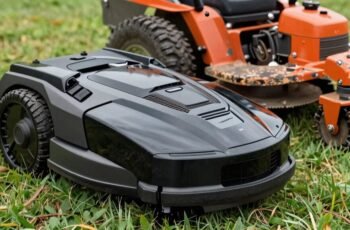
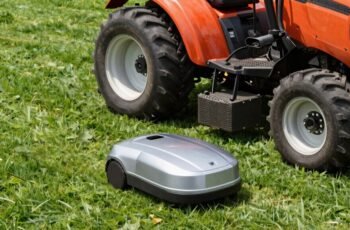
When it comes to maintaining your lawn, choosing between a robot mower and a cordless lawn mower can seem overwhelming. Both have their advantages and limitations, depending on your yard size, budget, and how much effort you want to put in. We’ll explore the key differences, latest features, costs, and environmental impacts of each to help you make an informed decision. Understanding these options is essential to finding the right fit for your outdoor space and lifestyle.
Key Takeaways
- Robot mowers operate autonomously with sensors and navigation systems, while cordless mowers require manual operation.
- Robot mowers are ideal for large or complex yards; cordless mowers suit small, simple lawns.
- Robot mowers offer set-it-and-forget-it convenience; cordless models need regular manual handling and maintenance.
- Initial cost for robot mowers is higher ($1,000–$3,000) compared to cordless mowers ($200–$600).
- Both are eco-friendly, but robot mowers tend to be quieter and produce less noise pollution.
Robot Mowers vs. Cordless Lawn Mowers: What’s the Difference?
While both robot mowers and cordless lawn mowers aim to simplify lawn care, they serve different needs and operate in distinct ways. Robot mowers are autonomous devices that continuously trim your grass without manual effort. They follow predefined paths, maneuvering around obstacles with sensors, and often work quietly and automatically. Cordless lawn mowers, on the other hand, require manual operation. They are lightweight, powered by rechargeable batteries, and need you to push or guide them across your lawn. While cordless mowers give you direct control over mowing sessions, robot mowers handle the job on their own, often on a scheduled basis. The key difference lies in their level of automation and how actively you participate in lawn maintenance.
Which Mower Is Best for Your Lawn Size?
Choosing the right mower depends heavily on your lawn size. For small yards, a cordless lawn mower is usually the best choice. It’s lightweight, easy to maneuver, and quick to start, making it perfect for areas under a quarter-acre. If your lawn is medium-sized—up to an acre—a battery-powered mower still works well, especially if it has a longer-lasting battery. For larger lawns, however, a robot mower can be more efficient, as it can operate autonomously and cover extensive areas over time. It’s a great option if you want to minimize manual effort and keep your grass well-maintained without constant supervision. Ultimately, your lawn size guides the choice, ensuring you select a mower that fits your yard’s needs and keeps maintenance manageable.
Key Features to Look for in a Robot Mower
When choosing a robot mower, we look at navigation and boundary systems to guarantee it covers your lawn efficiently without crossing limits. Battery life and charging speed are also critical for uninterrupted mowing sessions, especially for larger areas. Additionally, cutting width and height adjustments help tailor the mower’s performance to your specific yard needs.
Navigation and Boundary Systems
How does a robot mower know where to cut and where to stay away? It relies on advanced navigation and boundary systems to do the job efficiently. Many models use GPS or RF technology to map your lawn, ensuring thorough coverage without missing spots. Boundary wires or virtual boundary systems define the areas the mower should avoid, such as flower beds or patios. Some mowers also feature sensors that detect obstacles and prevent collisions. These systems work together to guide the mower precisely around your yard, avoiding obstacles and restricted zones. A good navigation system means less manual intervention and a more uniform cut. When choosing a robot mower, look for models with reliable boundary setups and smart navigation features that adapt to your lawn’s layout.
Battery Life and Charging
Ever wondered how long a robot mower can keep working before it needs a break? Battery life varies widely among models, so it’s crucial to check how long they run on a single charge. Most robot mowers last between 60 to 120 minutes, but some high-end models can go longer. Charging times also differ, typically taking 1 to 3 hours to fully recharge. To help you compare, here’s a quick overview:
| Model Type | Typical Run Time | Charging Time | Battery Capacity | Extra Features |
|---|---|---|---|---|
| Basic Robot Mower | 60 minutes | 1-2 hours | 3000mAh | Auto-recharge |
| Premium Robot Mower | 120 minutes | 2-3 hours | 6000mAh | Fast charge, long battery life |
Cutting Width and Height
Choosing the right robot mower involves more than just battery life; factors like cutting width and height considerably impact performance and lawn appearance. A wider cutting width allows the mower to cover more ground quickly, reducing mowing time, especially on larger lawns. Conversely, a narrower width offers better maneuverability around obstacles and tight corners. Adjustable cutting height is equally important, as it lets us customize the grass length for a healthier, more uniform look. Some models offer multiple height settings, making it easy to adapt to different grass types and seasons. When selecting a robot mower, we should prioritize those with a suitable cutting width for our yard size and adjustable height options to achieve the desired lawn aesthetic efficiently.
Recent Technological Advances in Cordless Lawn Mowers
Recent advances in cordless lawn mowers have markedly improved battery technology, allowing for longer runtimes and faster charging. These innovations also boost cutting efficiency, making the mowing process smoother and more reliable. Together, these advancements make cordless mowers more competitive with traditional and robotic options.
Battery Technology Improvements
Advances in battery technology have markedly enhanced the performance and convenience of cordless lawn mowers. We’ve seen significant improvements in lithium-ion batteries, allowing for longer run times and quicker recharges. Modern batteries now store more energy in smaller, lighter packages, making these mowers easier to handle without sacrificing power. Battery life has become more reliable, reducing the need for frequent recharges during mowing sessions. Additionally, innovations like fast-charging capabilities mean you can get back to work sooner. These technological strides have made cordless mowers more practical for larger lawns, providing consistent performance and reducing downtime. As a result, users enjoy greater freedom from cords and greater confidence in their mower’s endurance.
Enhanced Cutting Efficiency
Building on the improvements in battery technology, cordless lawn mowers now boast markedly enhanced cutting efficiency thanks to recent technological innovations. Manufacturers have integrated sharper, more durable blades that stay effective longer, reducing the need for frequent replacements. Advanced motor designs provide more consistent power, ensuring a clean cut even through thick grass. Some models now feature intelligent cutting systems that adjust blade speed and height based on grass density, maximizing efficiency and minimizing waste. Additionally, improved aerodynamics and blade geometry allow for better grass pickup and mulching, creating a neater finish. These advancements mean we can mow faster, with less effort, and achieve a more precise, professional-looking cut, making cordless mowers a compelling choice for homeowners seeking efficiency and quality.
How Much Do These Mowers Cost, and What’s Involved in Maintenance?
When comparing the costs of robot mowers and cordless lawn mowers, it’s important to take into account both the initial investment and ongoing maintenance expenses. Robot mowers tend to be more expensive upfront, often costing between $1,000 and $3,000, depending on features and size. Cordless mowers are generally more affordable, ranging from $200 to $600. Maintenance for both involves regular blade sharpening or replacement, cleaning, and battery care. Robot mowers may require software updates and occasional adjustments to their navigation systems, while cordless mowers mainly need battery replacements over time. Overall, the initial cost is higher for robots, but their low maintenance and autonomous operation can balance out expenses for those seeking convenience.
Battery Life and Power: Comparing Robot and Cordless Mowers
Battery life and power are essential factors to take into account when choosing between robot and cordless mowers. Robot mowers typically run on larger batteries designed for sustained, quiet operation, but they may need frequent recharging during heavy or large lawns. Cordless mowers usually have powerful batteries that provide quick, strong cuts and longer run times per charge, especially on high-performance models. However, their battery life can vary considerably based on the mower’s motor and cutting width. In general, cordless mowers tend to offer more immediate power, making them suitable for thicker grass. Robot mowers, while efficient for regular maintenance, may struggle with dense or tall grass if their batteries are not sufficiently robust. Ultimately, understanding these differences helps us choose the right mower for our yard’s specific needs.
Environmental Impact: Which Mower Is Greener?
Although both robot and cordless mowers are marketed as environmentally friendly options, their ecological impacts differ in meaningful ways. Robot mowers typically run on electricity and do so quietly, producing minimal noise pollution. Cordless mowers rely on rechargeable batteries, which involve manufacturing and disposal concerns. The table below highlights their key differences:
| Aspect | Robot Mower | Cordless Mower | Common Concern |
|---|---|---|---|
| Energy Source | Electricity (grid or solar) | Rechargeable battery | Battery production/disposal |
| Noise Pollution | Very low | Moderate | Noise disturbance |
| Emissions | Zero emissions during operation | Zero emissions during operation | Manufacturing footprint |
Both are cleaner than gas mowers, but robot mowers often have a smaller environmental footprint overall.
Ease of Use and Maintenance Tips for Each Mower Type
Both robot and cordless mowers are designed for ease of use, but they require different maintenance routines to keep them running smoothly. Robot mowers need regular blade checks, cleaning sensors, and software updates. It’s also important to clear any debris from their charging stations and boundary wires. Cordless mowers, on the other hand, require routine battery care, blade sharpening, and occasional deck cleaning. Properly storing batteries and ensuring they’re not exposed to extreme temperatures helps extend their lifespan. Both types benefit from a thorough annual inspection to prevent issues. Overall, robot mowers demand minimal hands-on maintenance but need software updates, while cordless mowers involve more routine physical upkeep. Staying consistent with these tips keeps each mower performing at its best.
Choosing the Right Mower for Your Lifestyle and Lawn Care Needs
Choosing the right mower depends on how much time you want to spend on lawn care and the size and complexity of your yard. If you have a small, simple lawn and prefer quick, minimal effort, a cordless mower might be perfect—it’s lightweight, easy to maneuver, and requires less maintenance. On the other hand, if your yard is large or has uneven terrain, a robot mower can save you time by autonomously tending your lawn regularly. Consider your lifestyle: do you enjoy handling equipment and occasional upkeep, or do you want a set-it-and-forget-it solution? Also, think about how often you’ll mow and the level of precision you need. Matching your lawn’s needs with your routine guarantees you choose a mower that works seamlessly for you.
Which Mower Offers the Best Value for Your Money?
When evaluating the best value between robot mowers and cordless lawn mowers, it’s essential to take into account not just the initial cost but also long-term expenses and benefits. Robot mowers often have a higher upfront price, but they save time and effort, reducing labor costs. Cordless mowers are cheaper initially but may require more frequent battery replacements and maintenance. To help compare, here’s a quick overview:
| Feature | Robot Mower | Cordless Lawn Mower |
|---|---|---|
| Initial Cost | Higher | Lower |
| Maintenance & Battery | Lower long-term costs | Potential battery replacements |
| Time & Effort Savings | Significant | Minimal |
| Overall Value | Often better over time | Cost-effective upfront |
Choosing depends on your budget and priorities, but robot mowers often offer better long-term value.
Frequently Asked Questions
How Do Robot Mowers Handle Uneven or Hilly Terrains?
Robot mowers handle uneven or hilly terrains well, thanks to their adaptive cutting systems and strong wheels. We find they automatically adjust to slopes, ensuring efficient mowing while maintaining safety and stability on challenging terrains.
Can Cordless Lawn Mowers Cut Through Thick or Tall Grass Effectively?
Cordless lawn mowers can cut through thick or tall grass effectively, but their performance depends on the mower’s motor strength and blade design. We recommend choosing a powerful model for tackling dense, high grass efficiently.
Are Robot Mowers Suitable for Pet-Friendly Households?
Absolutely, robot mowers are pet-friendly! We find they’re safe, silent, and super convenient, gently grazing grass without disturbing our furry friends. Plus, their smart sensors prevent accidents, making them perfect for pet-loving households.
What Safety Features Do Robot and Cordless Mowers Include?
Both robot and cordless mowers include safety features like obstacle sensors, automatic shutoff, and blade guards. We appreciate these protections, as they help prevent accidents and keep everyone safe while maintaining our lawns effortlessly.
How Do Weather Conditions Affect Mower Performance and Durability?
Weather conditions considerably affect mower performance and durability; rain can cause slipping or rust, while extreme heat might strain batteries. We recommend protective covers and timely maintenance to guarantee longevity and ideal functioning in all weather scenarios.
Conclusion
So, as we weigh these options, it’s clear that choosing between a robot mower and a cordless one is like selecting a trusty steed for your garden journey. Whether you prefer the relentless efficiency of a robot or the immediate control of a cordless mower, remember that the right choice depends on your yard’s needs and your lifestyle. Ultimately, finding the perfect mower is like finding a loyal companion—there to serve and make your lawn care a breeze.