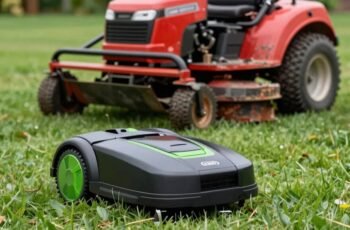
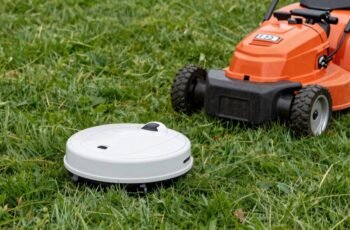
Did you know that nearly 60% of homeowners now consider automation when choosing lawn equipment? As we explore the differences between robot and traditional mowers, it’s clear that each option offers distinct advantages—cost, maintenance, environmental impact, and convenience. But which type best suits your lawn and lifestyle? There’s quite a bit to weigh, and understanding these differences can help you make a more informed decision for your outdoor space.
Key Takeaways
- Robot mowers offer convenience, automated operation, and consistent lawn care, while traditional mowers require manual effort and direct control.
- Initial costs are higher for robot mowers, but they tend to be more cost-effective long-term due to reduced maintenance and labor.
- Robot mowers are quieter, environmentally friendly, and promote healthier, denser lawns through frequent cutting.
- Traditional mowers are better for larger, uneven, or complex terrains, whereas robots suit small to medium, flat lawns.
- Safety features vary, with robots using obstacle detection and signals, while traditional mowers rely on physical safety switches.
How Do Robot and Traditional Mowers Differ in Cost and Features?
When comparing robot and traditional mowers, the differences in cost and features are quite significant. Robot mowers typically have a higher upfront price, often ranging from a few hundred to over a thousand dollars, depending on the model and capabilities. They come equipped with smart features like programmable schedules, boundary sensors, and app connectivity, allowing for automation and customization. Traditional mowers, on the other hand, tend to be less expensive initially but require ongoing expenses like fuel, oil, and maintenance. They lack the smart technology found in robotic models, focusing instead on manual operation. While robot mowers offer convenience and advanced features, they often demand a larger initial investment. Conversely, traditional mowers are more straightforward but may incur higher long-term costs due to maintenance.
Which Mower Is Easier to Maintain and Upkeep?
Deciding which mower is easier to maintain depends largely on their design and operational requirements. Robot mowers generally require less hands-on maintenance, but they do need regular blade checks, cleaning, and software updates. Traditional mowers, on the other hand, often involve more frequent tasks like oil changes, spark plug replacements, and belt adjustments.
Robot mowers require less maintenance but need regular blade checks and software updates. Traditional mowers demand more routine tune-ups.
Some key points to weigh:
- Robot mowers have fewer moving parts, reducing mechanical repairs.
- Traditional mowers often need regular fuel refills and oil changes.
- Robot mowers are mostly maintenance-free aside from blade swaps.
- Traditional mowers require more routine inspections and tune-ups.
How Do Robot and Conventional Mowers Impact Lawn Health?
Maintaining different mower types not only affects ease of upkeep but also influences the health of the lawn itself. Robot mowers tend to cut more frequently and gradually, which promotes healthier turf by preventing overgrowth and reducing stress on grass. Their consistent trimming encourages dense, lush growth and minimizes brown patches. Conversely, traditional mowers often cut less frequently and with more aggressive blades, which can lead to uneven cuts and damage to grass blades if not managed carefully. This irregular cutting can weaken the lawn over time, making it more susceptible to pests and disease. Overall, robot mowers support a more uniform, resilient lawn through steady, low-impact trimming, while conventional mowers require careful operation to prevent turf damage and maintain ideal health.
What Are the Environmental Effects of Using Robot vs. Traditional Mowers?
Robot mowers generally have a smaller environmental footprint compared to traditional gas-powered models because they run on rechargeable batteries that produce no direct emissions. This means fewer pollutants are released into the air, helping improve air quality. Additionally, robot mowers tend to operate more efficiently, reducing energy consumption. They also create less noise pollution, which benefits both humans and wildlife. However, battery production and disposal can pose environmental concerns if not managed properly. To summarize:
- No direct emissions during operation
- Lower noise levels
- Reduced energy use
- Potential battery disposal issues
Are Robot Mowers More Convenient for Busy Homeowners?
Robot mowers save busy homeowners time by automatically handling lawn care, freeing up hours each week. They’re easy to operate with minimal setup, so you don’t have to learn complicated controls. Plus, they reduce the need for frequent lawn maintenance, making yard work less of a hassle.
Time-Saving Benefits
For busy homeowners juggling multiple responsibilities, saving time is a top priority, and robotic lawn mowers can considerably ease that burden. These devices handle yard work automatically, freeing up hours each week. They operate on flexible schedules, so you can set them to mow early mornings or late evenings without disruption. Additionally, robotic mowers:
- Continuously trim the grass, preventing overgrowth
- Require minimal supervision once set up
- Reduce the need for manual labor
- Allow multitasking while mowing
This consistent, automated approach means less time spent on lawn maintenance and more time for other priorities. Overall, robotic mowers offer a significant time-saving advantage, making them especially appealing for homeowners with packed schedules.
Ease of Use
Although traditional mowers require manual effort and regular supervision, robotic lawn mowers are designed to be remarkably straightforward and user-friendly. Once set up, they handle lawn care with minimal input, making them ideal for busy homeowners. Many models feature simple controls, scheduling options, and automatic docking. To illustrate, here’s what makes them convenient:
| Feature | Benefit | Impact on Ease of Use |
|---|---|---|
| Programmable Schedule | Mows at pre-set times | Eliminates manual operation |
| Self-charging | Finds and docks itself | Reduces oversight |
| Remote Control | Operates via smartphone app | Adds flexibility |
| Auto-adjust Cutting Height | Adapts to grass growth | Less maintenance effort |
These features combine to make robotic mowers a hassle-free choice for homeowners seeking convenience.
Reduced Lawn Maintenance
Thanks to their automated features, robotic lawn mowers considerably reduce the time and effort required to maintain a healthy yard. They handle regular mowing without supervision, freeing up your schedule. This convenience is especially valuable for busy homeowners who want a neat lawn without the hassle. Robot mowers operate quietly, allowing you to mow early mornings or evenings without disturbance. They also adapt to your lawn’s size and shape, ensuring consistent results. Plus, they often include features like scheduling and remote control.
- Save time on weekly mowing sessions
- Minimize physical effort
- Maintain a consistently well-groomed lawn
- Reduce the need for manual intervention
What Safety Features Do Robot and Traditional Mowers Have?
Both robot and traditional mowers come equipped with safety features like obstacle detection systems to prevent accidents. Emergency stop buttons and signals provide quick shutdown options, ensuring user safety. These features help keep mowing safe for everyone involved.
Obstacle Detection Systems
Modern robot lawn mowers are equipped with advanced obstacle detection systems that prioritize safety and efficiency, making them a smart choice for many homeowners. These systems use sensors like infrared, ultrasonic, or bump sensors to detect objects in their path. When an obstacle is identified, the mower slows down, redirects, or stops entirely to prevent collisions. This technology reduces the risk of damage to plants, furniture, or pets.
Key features include:
- Real-time obstacle sensing
- Automatic rerouting around objects
- Low false alarm rates
- Compatibility with various terrain types
These features guarantee the mower operates smoothly and safely, minimizing the chances of accidents or damage. Overall, obstacle detection systems are essential for making robotic mowing safer and more reliable.
Emergency Stop Features
While robotic and traditional mowers differ in many features, their emergency stop mechanisms are crucial for safety. Robotic mowers typically have quick-press buttons or touch-sensitive panels that immediately halt operation if needed. Some models include remote controls, allowing users to stop the mower from a distance. Sensors can also trigger an automatic stop when obstacles or humans are detected nearby. Traditional mowers rely on physical safety controls, like a dead-man’s switch or a blade engagement lever, which must be held down to operate. Releasing these controls instantly stops the blades and engine. Both types prioritize user safety by ensuring a swift shutdown in emergencies, reducing the risk of injury or damage. These features are essential, especially in busy or unpredictable environments.
Safety Signal Indicators
Safety signal indicators play an essential role in alerting users to the operational status of lawn mowers. They help prevent accidents by providing clear visual or auditory cues about the mower’s activity. Robot mowers often feature LED lights that signal when they are charging, in operation, or encountering an obstacle. Traditional mowers typically use warning lights or sounds, like beepers or flashing indicators, to show when they’re active or in maintenance mode.
Key safety signals include:
- Visual LEDs indicating operational status
- Audible alarms for alerts or errors
- Signal lights for caution or hazards
- Emergency stop indicators for immediate shutdown
These indicators guarantee users are aware of the mower’s state, reducing the risk of accidental injury and enhancing safety during operation.
Can Robot Mowers Handle All Lawn Sizes and Types?
Not all robot mowers can easily handle every lawn size or type, but many are designed to adapt to a variety of conditions. Smaller to medium-sized lawns are generally a good fit, as most models can efficiently mow these areas without issues. Larger lawns can be managed by higher-capacity models with extended battery life and larger cutting decks. For uneven terrain, some robot mowers feature adjustable blades and rugged wheels to navigate slopes and rough patches. However, very complex terrains or lawns with thick, dense grass may pose challenges. While many models can handle different grass types, extremely tall or invasive species might require additional trimming or manual intervention. Overall, with the right features, robot mowers can serve a broad range of lawn sizes and types, but they do have limitations.
What Factors Should You Consider When Choosing a Lawn Mower?
When choosing a lawn mower, we need to take into account the size and terrain of our yard to find the best fit. Budget and maintenance requirements also play a big role in making the right decision. By weighing these factors, we can select a mower that works efficiently for our specific needs.
Lawn Size and Terrain
Choosing the right lawn mower depends heavily on the size and terrain of your yard. For small, flat lawns, a traditional push mower often suffices, offering control and simplicity. Larger areas or uneven terrain, however, may benefit from a robotic mower or a riding mower to reduce effort and improve coverage. When evaluating your yard, consider:
- Lawn size: larger lawns may require more robust equipment.
- Terrain type: flat, hilly, or rocky grounds impact mower choice.
- Obstacles: trees, flower beds, or uneven patches influence maneuverability.
- Accessibility: narrow paths or tight corners might limit certain mower types.
Budget and Maintenance
Budget and maintenance are key factors to take into account once you’ve assessed your yard’s size and terrain. With a robot mower, you’ll typically face a higher upfront cost but benefit from lower ongoing maintenance and labor. It’s a good choice if you want convenience and minimal effort. Traditional mowers often require a lower initial investment but may incur higher costs over time due to fuel, oil, and blade replacements, plus regular storage and maintenance. Consider your budget carefully and think about long-term expenses. Maintenance needs differ: robot mowers need occasional blade swaps and software updates, while traditional mowers might require more frequent repairs. Balancing initial costs with ongoing upkeep helps you choose the best mower for your budget and lifestyle.
Are Robot Mowers Worth the Investment in the Long Run?
Deciding whether robot mowers are worth the long-term investment depends on several factors, including maintenance costs, convenience, and durability. While the upfront price can be high, many find the time saved and consistent trimming worth it. Over time, robot mowers often reduce lawn care effort and improve lawn health. They tend to be durable, with modern models built to withstand weather and regular use. Additionally, considering the long-term savings on fuel and maintenance compared to traditional mowers is essential.
Robot mowers offer durability, convenience, and long-term savings despite higher initial costs.
Some key benefits include:
- Reduced need for manual mowing
- Consistent, even grass cutting
- Lower ongoing maintenance costs
- Increased lawn health and appearance
Ultimately, if you value convenience and lawn quality, a robot mower can be a worthwhile investment.
Summary: Which Mower Is Right for Your Lawn and Lifestyle?
When selecting between a robot mower and a traditional push or riding mower, it’s important to take into account your lawn’s size, terrain, and your personal routine. For small, flat lawns, a robot mower offers convenience and minimal effort. Larger or uneven areas may require a riding mower for efficiency. Consider how much time you want to spend on yard work and your comfort with maintenance.
| Lawn Size | Best Choice |
|---|---|
| Small | Robot mower |
| Large | Riding mower |
| Uneven | Traditional mower with manual control |
Ultimately, the right mower depends on your lawn’s specifics and how much effort you’re willing to allocate. Matching your needs with the mower’s features ensures a healthy lawn and a livelier outdoor routine.
Frequently Asked Questions
How Long Do Robot Lawn Mowers Typically Last Before Needing Replacement?
Robot lawn mowers usually last around 3 to 8 years before needing replacement, depending on usage, maintenance, and the brand. We recommend regular upkeep to maximize their lifespan and guarantee efficient, reliable performance over time.
Can Robot Mowers Be Used on Uneven or Hilly Terrain Effectively?
We find that robot mowers can handle uneven or hilly terrain quite effectively, especially models designed for such conditions. They adapt well, making them a reliable choice for maintaining varied landscapes with minimal effort.
Do Robot Lawn Mowers Require Wi-Fi or Internet Connectivity?
We find that most robot lawn mowers don’t need Wi-Fi or internet, with over 70% operating solely on pre-programmed routes. We appreciate this simplicity, making setup easier and avoiding potential connectivity issues during mowing.
What Is the Noise Level Difference Between Robot and Traditional Mowers?
Robot lawn mowers are markedly quieter than traditional ones, often operating at around 60-70 decibels, comparable to a background conversation, while traditional mowers can reach 85-100 decibels, making them much louder and more disruptive.
Are There Any Legal Restrictions on Using Robot Lawn Mowers in Residential Areas?
Yes, there are legal restrictions in some residential areas, like noise limits or fencing requirements. We recommend checking local regulations before using a robot lawn mower to guarantee compliance and avoid potential fines or issues.
Conclusion
Ultimately, choosing between a robot and traditional mower depends on your lawn size, budget, and lifestyle. If you’re worried about initial costs, a traditional mower might seem tempting, but the long-term savings in time and effort with a robot could be worth it. We believe that for busy homeowners seeking convenience and a healthier lawn, investing in a robot mower offers unmatched benefits. Don’t let upfront costs hold you back—think of it as a smart, hassle-free upgrade for your yard.