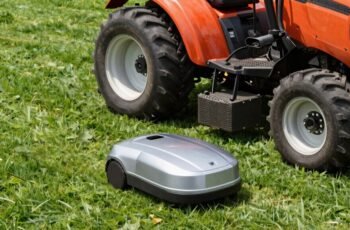
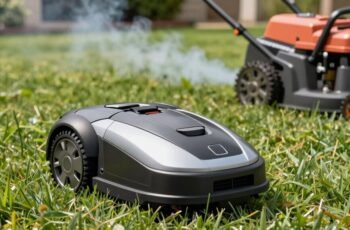
When we compare robot mowers and petrol mowers, emissions are a key factor to evaluate. While robot mowers run on electricity and produce no direct emissions, petrol mowers release significant pollutants during operation. But how much do these differences truly impact our environment? There’s more to the story, especially when examining lifecycle impacts and future innovations. Let’s explore what makes each option more or less eco-friendly and what that means for us.
Key Takeaways
- Petrol mowers emit significant greenhouse gases and pollutants during operation, while robot mowers produce no direct emissions.
- Robot mowers’ environmental impact depends on the electricity source, with renewable energy reducing their carbon footprint.
- Lifecycle analysis shows robot mowers are generally more eco-friendly long-term despite higher manufacturing impacts.
- Proper maintenance of both mower types can reduce emissions and improve operational efficiency.
- Future innovations like solar-powered systems and biodegradable components aim to further lower emissions in robotic mowing.
How Do Petrol and Robot Mowers Compare in Emissions?
While petrol mowers have long been the standard for lawn care, robot mowers are emerging as a more environmentally friendly alternative. Petrol mowers emit significant amounts of greenhouse gases, including carbon dioxide, due to the combustion process. They also release other pollutants like nitrogen oxides and particulate matter, which contribute to air pollution and health issues. In contrast, robot mowers run on electricity, producing no direct emissions during operation. This makes them much cleaner from an emissions perspective. However, the environmental impact of robot mowers depends on how the electricity they use is generated. If the power comes from renewable sources, their emissions are minimal. Overall, robot mowers tend to have a considerably lower carbon footprint compared to petrol mowers, especially when powered sustainably.
What Is the Carbon Footprint of Petrol Lawn Mowers?
Petrol lawn mowers have a substantial carbon footprint because they rely on internal combustion engines that burn gasoline to operate. This process releases significant greenhouse gases, mainly carbon dioxide (CO₂), directly into the atmosphere. Over a typical mowing season, a petrol mower can emit hundreds of kilograms of CO₂. The table below highlights some key emissions factors:
| Fuel Consumption | CO₂ Emissions per Liter |
|---|---|
| 1 liter of gasoline | About 2.3 kg CO₂ |
| Average use per hour | 0.8 – 1.0 liters |
| Total emissions per season | 150-300 kg CO₂ |
| Annual emissions for average lawn | 200 kg CO₂ |
These figures show how petrol mowers contribute heavily to carbon footprints, making them less eco-friendly than electric alternatives.
Do Robot Mowers Emit Less Greenhouse Gas Than Petrol Mowers?
Robot mowers typically emit far fewer greenhouse gases than petrol mowers because they run on electricity instead of burning fuel. Since they don’t rely on combustion, they produce no direct emissions during operation. This reduction is especially noticeable when the electricity powering them comes from renewable sources like wind or solar. Petrol mowers, on the other hand, burn gasoline or diesel, releasing carbon dioxide and other pollutants directly into the atmosphere. Even when electricity is generated from fossil fuels, the efficiency of electric motors usually means lower overall emissions compared to petrol engines. Therefore, switching to a robot mower considerably cuts your lawn care’s carbon footprint. It’s a cleaner, more sustainable option that helps reduce greenhouse gases contributing to climate change.
How Maintenance and Running Costs Impact Lawn Mower Emissions
Maintenance and running costs considerably influence the overall emissions associated with lawn mowers. Petrol mowers often require regular oil changes, filter replacements, and tune-ups, which involve manufacturing and disposing of parts, generating emissions. These ongoing expenses mean the engine runs less efficiently over time, increasing emissions. In contrast, robot mowers generally have lower maintenance needs, such as occasional blade sharpening or software updates, resulting in fewer associated emissions. Additionally, the energy used to operate electric robot mowers tends to be cleaner, especially if powered by renewable sources. While initial costs may be higher for robot mowers, their lower maintenance and operational expenses can lead to reduced emissions over their lifespan, making them a more environmentally friendly choice overall.
Which Mower Produces Fewer Emissions Over Time?
When comparing emissions over time, we see that robot mowers generally produce fewer pollutants than petrol models due to their electric operation. Long-term environmental impact depends not just on initial emissions but also on maintenance and efficiency, which can vary widely. By considering these factors, we can better understand which mower truly offers a greener choice in the long run.
Emission Sources Comparison
While both robot and petrol mowers contribute to environmental emissions, their sources and impacts differ considerably over time. Petrol mowers emit pollutants primarily through the combustion of gasoline, releasing carbon monoxide, nitrogen oxides, and particulate matter directly into the air. These emissions are immediate and continuous during operation. In contrast, robot mowers produce emissions indirectly; their environmental impact depends on the electricity source used to charge them. If powered by renewable energy, their emissions can be minimal. However, if charged with electricity from fossil fuels, they still contribute to greenhouse gases, though generally less than petrol mowers. Overall, petrol mowers generate more direct emissions during use, while robot mowers’ emissions are tied to electricity production and are typically lower, especially with cleaner energy sources.
Long-Term Environmental Impact
Over the long term, the total emissions produced by each mower type depend heavily on their operational impacts and energy sources. Robot mowers, powered primarily by electricity, tend to produce fewer emissions over time, especially if the electricity comes from renewable sources. They operate quietly and efficiently, reducing fuel consumption and direct emissions. Petrol mowers, on the other hand, rely on fossil fuels, which release significant greenhouse gases during combustion. Over years, this accumulates into a substantial environmental footprint. Additionally, petrol engines generate more local pollutants, affecting air quality. While robot mowers may have higher manufacturing emissions initially, their ongoing operation results in far fewer emissions overall. Consequently, considering the full lifecycle, robot mowers generally produce fewer emissions over time, making them a more eco-friendly choice in the long run.
Maintenance and Efficiency
Maintenance and efficiency play crucial roles in determining which mower produces fewer emissions over time. A well-maintained mower runs more effectively, reducing fuel or energy consumption and lowering emissions. Regularly sharpening blades and cleaning components ensures peak performance. For petrol mowers, timely oil changes and engine tune-ups are essential to prevent increased emissions caused by inefficient combustion. Robot mowers, on the other hand, require minimal maintenance but benefit from software updates and battery care to sustain efficiency. Over time, a mower’s ability to operate smoothly directly impacts its environmental footprint.
- Proper tuning and cleaning extend lifespan and effectiveness
- Battery health affects energy consumption in robot mowers
- Fuel quality influences emissions for petrol models
- Consistent maintenance reduces overall environmental impact
Are Robot Mowers Truly Eco-Friendly?
Although robot mowers are often touted as eco-friendly alternatives to traditional petrol-powered models, their environmental impact isn’t entirely straightforward. They run on rechargeable batteries, which means no direct emissions during operation. However, the manufacturing process of these batteries involves mining and resource extraction that can harm the environment. Additionally, the electricity used to charge them may come from fossil fuels, depending on your energy source. While they produce no emissions during use, their overall eco-friendliness depends on factors like energy sources and manufacturing impacts. Plus, their durability and lifespan influence their environmental footprint. So, while robot mowers are generally cleaner during operation, considering their full lifecycle is essential before labeling them as entirely eco-friendly.
How Can You Minimize Lawn Mowing Emissions?
To cut down on lawn mowing emissions, we can choose electric models that produce no exhaust fumes. Regularly maintaining our equipment guarantees it runs efficiently and uses less energy, while eco-friendly fuels further reduce environmental impact. Small changes like these can make a big difference for our planet.
Opt For Electric Models
Switching to electric mower models is one of the most effective ways to reduce lawn mowing emissions. Electric mowers produce no direct emissions, making them a cleaner choice for the environment. They’re also quieter, which reduces noise pollution in your neighborhood. Plus, electric models often require less maintenance and have fewer moving parts, saving you time and money.
To maximize their benefits:
- Choose cordless electric mowers for flexibility and ease of use
- Opt for models with rechargeable batteries from renewable sources
- Use energy-efficient settings and blades to improve performance
- Consider solar charging options to further minimize carbon footprint
Maintain Equipment Regularly
Regular maintenance is key to guaranteeing your mower runs efficiently and emits fewer pollutants. When we keep blades sharp and engines clean, we reduce the workload on the motor, which in turn cuts down emissions. Regularly checking and replacing filters prevents dirt buildup that can cause the engine to work harder. For petrol mowers, changing oil as recommended ensures smoother operation and fewer fumes. Even for electric or robot mowers, cleaning sensors and ensuring batteries are well-maintained helps optimize performance. By taking these simple steps, we not only extend the lifespan of our equipment but also minimize environmental impact. Well-maintained mowers run cleaner, quieter, and more efficiently, making them better for the planet and our neighborhoods.
Use Eco-Friendly Fuels
Have you considered the impact of the fuels powering your mower? Choosing eco-friendly fuels can notably reduce emissions. Opt for biofuels or blends with higher renewable content, which burn cleaner and produce fewer pollutants. Using ethanol-blended fuels, like E10 or E15, can cut down on harmful emissions compared to standard gasoline. Additionally, always use fresh fuel—old or contaminated gasoline generates more smoke and pollutants. Consider alternatives like compressed natural gas or propane if your mower supports them, as these burn cleaner than traditional petrol. Regularly tuning your mower guarantees ideal fuel efficiency and reduces emissions.
- Switch to biofuels or ethanol blends
- Use fresh, high-quality gasoline
- Explore alternative fuels like propane
- Keep your mower well-maintained for cleaner operation
What Future Innovations Will Make Mowing Greener?
As technology advances, innovative solutions are emerging to make mowing more environmentally friendly. One exciting development is the integration of solar-powered mower systems that harness sunlight to operate, drastically reducing energy consumption. Additionally, advancements in battery technology are enabling longer-lasting, faster-charging electric mowers with minimal environmental impact. Researchers are also exploring biodegradable mower blades and eco-friendly lubricants to lower emissions further. Smart sensors and AI-driven automation will optimize mowing patterns, reducing unnecessary energy use and soil disturbance. These innovations aim to make mowing cleaner without sacrificing efficiency or lawn quality. As these technologies develop, we can look forward to a future where maintaining our lawns harms the environment less and promotes sustainability.
Frequently Asked Questions
How Do Electric or Battery-Powered Mowers Compare in Emissions to Robot and Petrol Mowers?
Electric or battery-powered mowers produce considerably fewer emissions than petrol mowers, and they often outperform robot mowers in eco-friendliness due to zero ongoing emissions. We prefer them for cleaner, greener lawn care.
Are There Any Health Risks Associated With Emissions From Petrol or Robot Mowers?
There are health risks with petrol mower emissions, like respiratory issues from fumes, while robot mowers pose minimal risk due to their electric operation. We recommend using electric options to reduce health hazards and environmental impact.
How Does the Lifespan of Mowers Affect Their Overall Emissions Impact?
We’ve found that longer mower lifespans substantially reduce emissions per year—studies show extending a mower’s life by just a few years can cut its overall environmental impact by up to 30%, making sustainability more achievable.
Can Renewable Energy Sources Power Robot Mowers to Reduce Emissions Further?
Yes, renewable energy sources can power robot mowers, substantially reducing emissions. We believe integrating solar or wind energy makes lawn care more eco-friendly, helping us all cut down our carbon footprint while enjoying a greener, cleaner environment.
What Regulations Exist to Control Mower Emissions in Different Regions?
We find that regulations vary globally—EU standards are strict, aiming for near-zero emissions by 2030, while the US enforces EPA rules. We see how these policies shape mower designs and promote eco-friendly innovations.
Conclusion
In the battle of emissions, robot mowers are practically superheroes, making petrol mowers look like ancient, pollution-spewing dinosaurs! By choosing robotic technology, we’re not just trimming grass—we’re saving the planet one tiny mow at a time. Imagine a future where every lawn is green and clean, with zero emissions, and the air is so pure, you’d think we’ve turned back time. Let’s embrace this green revolution and make mowing history!