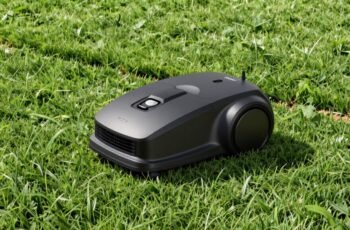
It’s a coincidence that many homeowners overlook the critical role a robotic mower base station plays in maintaining a pristine lawn, often only realizing its importance after a system failure or inefficiency. As we analyze the key factors that influence a successful setup, it becomes clear that selecting the right station involves more than just matching size to yard; it requires understanding power options, connectivity, and durability. To make an informed choice that guarantees long-term reliability, we’ll need to explore these essential details thoroughly.
Key Takeaways
- Match the base station size and capacity to your yard size and mower requirements for efficient operation.
- Ensure compatibility with your robotic mower model and proper boundary wire installation.
- Prioritize weather resistance, stable power supply, and seamless connectivity options like Wi-Fi or Bluetooth.
- Consider top features such as GPS navigation, obstacle detection, and smart home integration for advanced models.
- Regular maintenance and correct installation practices are essential for reliable performance and longevity.
What Is a Robotic Mower Base Station and Why Do You Need One?
A robotic mower base station serves as the central hub that facilitates efficient charging, navigation, and management of your robotic mower. It’s designed to guarantee the mower can return to its station automatically for recharging, maintaining continuous operation without manual intervention. The station often includes a charging dock connected to power and a boundary wire that defines the mowing area, guiding the mower precisely. This setup enables the mower to navigate complex lawns accurately, avoiding obstacles and restricted zones. Without a base station, the mower would lack a reliable way to recharge and coordinate its tasks, risking incomplete mowing cycles. Essentially, the base station optimizes the mower’s efficiency, prolongs its lifespan, and assures consistent, thorough coverage of your lawn.
Key Features to Look for in a Robotic Mower Base Station
When selecting a robotic mower base station, it’s crucial to evaluate specific features that directly impact its performance, reliability, and ease of use. Key aspects include charging efficiency, which guarantees quick turnaround times and minimizes downtime. Robust connectivity options, such as Wi-Fi or Bluetooth, are critical for seamless communication with the mower. Weather resistance is another essential feature, protecting the station from elements and ensuring consistent operation in various conditions. Intuitive setup interfaces and clear indicator lights simplify installation and troubleshooting. Additionally, a stable power supply with surge protection enhances longevity. These features collectively assure dependable performance, reduce maintenance needs, and contribute to a more streamlined user experience, making them fundamental considerations when choosing the right base station.
How to Choose the Right Size and Capacity for Your Yard
Choosing the right size and capacity for your yard requires a precise assessment of both your yard’s dimensions and the mower’s operational capabilities. We need to match the mower’s battery life and cutting area capacity with your yard’s size to guarantee efficient coverage without overloading the system. By analyzing these factors carefully, we can select a base station that optimizes performance and minimizes maintenance.
Yard Size Compatibility
Understanding the relationship between yard size and robotic mower base station capacity is essential for ideal performance and efficiency. A base station that corresponds to your yard’s dimensions ensures reliable charging and minimizes downtime. For larger properties, a high-capacity station reduces the need for frequent returns, maintaining consistent mowing. Conversely, smaller yards benefit from compact stations that are easier to install and manage.
| Yard Size | Recommended Base Station Capacity |
|---|---|
| Small (less than 1/4 acre) | Compact, lightweight stations |
| Medium (1/4 to 1/2 acre) | Moderate capacity stations |
| Large (over 1/2 acre) | High-capacity, robust stations |
Choosing the right match prevents inefficiencies, saves time, and ensures your lawn stays pristine.
Mower Capacity Needs
How do you determine the appropriate mower capacity for your yard? First, assess your lawn’s total area in square footage, as larger yards require higher-capacity mowers to guarantee efficient coverage. Next, consider the terrain’s complexity—hills, narrow passages, or obstacles may demand more precise navigation and power, influencing capacity needs. Analyzing mowing frequency is vital; frequent cuts mean smaller capacity might suffice, but infrequent mowing requires larger batteries or fuel tanks. Additionally, evaluate your grass growth rate—rapid growth calls for higher-capacity models to maintain a neat appearance. Weighing these factors together helps us select a mower that balances runtime, power, and durability, preventing over- or under-specification, which can lead to inefficiency or unnecessary costs.
Comparing Power Sources and Connectivity Options
When evaluating robotic mower base stations, examining the available power sources and connectivity options reveals critical differences that can impact performance and user convenience. Power sources vary between mains electricity, batteries, or hybrid systems, each affecting setup complexity and mobility. Connectivity options include Wi-Fi, Bluetooth, or proprietary radio signals, influencing range and reliability. For instance, Wi-Fi provides broad coverage but may face interference, while radio signals tend to be more stable in open spaces. Key considerations include:
Choosing the right power and connectivity options ensures optimal robotic mower performance and convenience.
- Power source compatibility with your home’s electrical system
- Battery backup options for uninterrupted operation
- Range and stability of wireless connectivity
- Ease of integration with existing smart home systems
Understanding these distinctions helps guarantee ideal performance, minimizing disruptions and maximizing convenience.
Installation Tips and Common Setup Challenges
Proper installation is essential for ensuring your robotic mower operates efficiently and reliably, yet it often presents unexpected challenges. Precise placement of the base station is vital, requiring careful consideration of terrain, accessibility, and signal interference. We’ve seen issues arise from improper grounding or positioning near metallic objects, which can disrupt connectivity or cause operational failures. Ensuring the boundary wire is installed correctly, with consistent tension, helps prevent false start or missed zones. Common challenges include uneven terrain, tight corners, or obstacles that block the mower’s path, complicating setup and increasing adjustment time. Additionally, inadequate power supply or poor Wi-Fi coverage can hinder communication. By paying close attention to these details during installation, we can notably reduce setup errors and maximize the system’s long-term reliability.
Top Brands and Models of Robotic Mower Base Stations
When selecting a robotic mower base station, it’s crucial to take into account the leading brands known for reliability and innovation. We’ll compare top-rated models across these brands, focusing on their features, durability, and user reviews. Additionally, understanding price differences helps identify options that balance performance with budget constraints.
Popular Brand Options
Among the leading brands in robotic mower base stations, a few stand out for their reliability, advanced features, and user satisfaction. These brands have established a strong reputation through consistent performance, innovative technology, and robust build quality. When evaluating options, consider factors such as connectivity, ease of installation, durability, and compatibility with various mower models.
Notable brands include:
- Husqvarna: Known for seamless integration with their robotic mowers and smart home connectivity.
- Worx: Offers user-friendly features and reliable charging station designs.
- Robomow: Focuses on durability and straightforward installation.
- Gardena: Provides compact, weather-resistant stations with smart scheduling options.
Choosing among these brands depends on your specific yard size, terrain, and desired automation level.
Top-Rated Models
Are you curious which robotic mower base stations stand out for their performance and reliability? We’ve analyzed top models known for durability, smart features, and seamless integration. Brands like Husqvarna, Worx, and Robomow consistently receive high praise. Their models typically feature advanced connectivity, weather resistance, and easy installation. To compare, here’s a snapshot:
| Model | Key Feature |
|---|---|
| Husqvarna Automower 550 | GPS navigation, weather timer |
| Worx Landroid WR155 | App control, obstacle detection |
| Robomow RC306 | Heavy-duty build, large capacity |
| Gardena Sileno City | Compact design, quiet operation |
| Husqvarna Automower 430X | AI-based navigation, smart home integration |
These models exemplify cutting-edge technology and reliability, making them top choices for discerning users.
Price Comparisons
Prices for robotic mower base stations vary considerably across top brands and models, reflecting differences in features, build quality, and technological sophistication. High-end models often include advanced connectivity, weather resistance, and larger capacity, justifying their higher costs. Mid-range options balance affordability with essential features like secure locking and easy installation. Budget models tend to focus on basic functionality, sacrificing some durability and smart integrations.
- Premium brands like Husqvarna and Robomow typically start around $300 and can exceed $600.
- Mid-tier options from brands like Gardena and Worx are usually priced between $150 and $300.
- Entry-level models often fall under $150, offering essential features but limited longevity.
- Additional costs may include accessories, extended warranties, or smart home integrations, influencing overall value.
Budget Considerations: Finding Value Without Compromising Quality
When selecting a robotic mower base station within a limited budget, it’s essential to focus on core features that guarantee reliable performance and durability, rather than simply chasing the lowest price. Prioritize sturdy construction materials, such as weather-resistant plastics or metals, which prolong lifespan and withstand environmental stress. Evaluate the station’s charging efficiency—quick, consistent connections reduce downtime and improve mowing schedules. Compatibility with existing mower models is vital; avoid systems requiring costly adapters or upgrades. Consider the availability of essential accessories like docking sensors or rain covers, which can prevent costly repairs later. Striking a balance between affordability and quality involves examining these features critically, ensuring that the base station’s design and function support long-term reliability without unnecessary expense.
Maintaining and Troubleshooting Your Base Station for Longevity
To ensure your robotic mower’s base station remains reliable over time, regular maintenance and prompt troubleshooting are essential. Consistent inspection of electrical connections guarantees stable power supply, preventing unexpected shutdowns. Cleaning the charging contacts and sensors removes dirt and debris that can impair communication and charging efficiency. Monitoring for corrosion or wear on connectors allows early intervention before failures occur. Addressing firmware updates promptly can resolve bugs and improve performance.
Regularly inspect, clean, and update your base station for reliable, efficient robotic mower performance.
- Check and tighten all electrical connections regularly
- Clean contacts and sensors with a soft, dry cloth
- Inspect for corrosion or physical damage
- Keep firmware updated to guarantee peak functioning
Making the Final Decision: Questions to Ask Before Buying
Before making a final decision on a robotic mower base station, it’s important to evaluate key questions that guarantee the product aligns with your specific needs and expectations. We should consider compatibility with our mower model, making sure the station supports the appropriate charging protocols and communication systems. It’s essential to assess the station’s coverage area and how well it fits our yard’s size and layout, including obstacles and complex terrain. Durability and weather resistance are critical factors, especially if exposed to harsh conditions. Additionally, we need to determine the ease of installation and maintenance, as well as available features like notifications or remote access. Asking these questions helps us avoid mismatched investments and ensures the base station enhances our lawn-care efficiency reliably.
Frequently Asked Questions
Can a Robotic Mower Base Station Operate in Extreme Weather Conditions?
Robotic mower base stations typically can’t operate in extreme weather conditions, especially heavy rain, snow, or high temperatures. We recommend checking specific model specifications and considering weatherproof features to guarantee reliable operation and longevity in harsh environments.
How Secure Is the Base Station Against Theft or Vandalism?
Our robotic mower base stations are practically impenetrable fortresses, employing advanced security features like encrypted signals, GPS tracking, and tamper alarms, making theft or vandalism nearly impossible, and ensuring your lawn care remains uninterrupted and worry-free.
Is Professional Installation Necessary for Certain Base Station Models?
Professional installation isn’t always necessary, but for complex or high-end base stations, we recommend expert setup to guarantee ideal placement, secure connections, and proper integration with your mower system, ultimately maximizing performance and safety.
What Are the Warranty Options Available for Robotic Mower Base Stations?
We explore warranty options like limited coverage, extended plans, and on-site repairs, ensuring your base station’s durability. Think of warranties as a safety net, catching potential issues early and providing peace of mind for future lawn care.
How Often Should the Base Station Be Upgraded or Replaced?
We recommend upgrading or replacing the base station every 3 to 5 years, depending on usage and technological advancements. Regular assessments guarantee peak performance, security updates, and compatibility with evolving robotic mower features.
Conclusion
In choosing the right robotic mower base station, we see it as the backbone of a seamless lawn-care system—like the central nervous system for your yard. By carefully analyzing features, capacity, and installation needs, we can make an informed decision that guarantees durability, efficiency, and ease of use. A well-chosen station doesn’t just keep your grass tidy; it transforms your outdoor space into a well-orchestrated, effortlessly maintained haven.