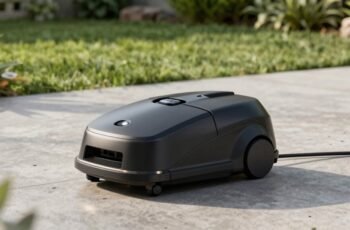
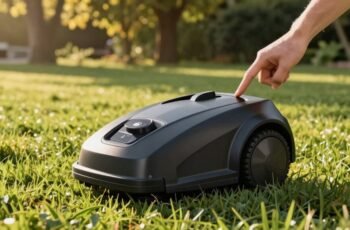
Imagine a robot mower quietly working in the early morning light, its battery powering each precise pass across the lawn. These batteries typically last between two to three years, but many factors influence this lifespan. Understanding how long your mower’s battery should perform and what impacts its durability helps you make informed decisions about maintenance and replacements. Let’s explore the nuances behind battery longevity and what you can do to maximize its operational life.
Key Takeaways
- High-quality lithium-ion batteries typically last 2-3 years or about 300-500 charge cycles.
- Battery capacity diminishes significantly after multiple charge cycles, reducing runtime.
- Signs of failure include shorter mowing time, frequent charging, and irregular charge cycles.
- Proper maintenance, environmental conditions, and charging routines influence battery lifespan.
- Brands like Husqvarna and Worx offer batteries lasting around 60-90 minutes per charge.
How Long Do Robot Mower Batteries Typically Last?
Although the lifespan of robot mower batteries can vary depending on several factors, most high-quality lithium-ion models typically last between two to three years under normal usage. These batteries generally endure around 300 to 500 charge cycles before their capacity diminishes considerably. In practical terms, this translates to roughly one to two mowing seasons, depending on frequency and intensity of use. The degradation process is primarily driven by the chemical stability of the lithium-ion cells, which gradually lose their ability to hold a full charge over time. Battery lifespan also depends on consistent charging routines, temperature conditions, and the quality of the cells. Proper maintenance and usage practices can extend the effective operational period before battery replacement becomes necessary.
Factors That Affect Battery Lifespan in Robot Mowers
We recognize that usage frequency directly influences battery degradation, with more frequent cycles accelerating capacity loss. Proper charging practices, such as avoiding overcharging or deep discharges, are essential for maintaining ideal lifespan. Additionally, environmental conditions like temperature and humidity considerably impact battery performance and longevity.
Usage Frequency Impacts
Frequent use of a robot mower accelerates battery wear because each cycle contributes to electrode degradation over time. Repeated charge and discharge cycles cause structural stress within the battery’s electrodes, leading to capacity fade. Higher usage frequency results in more cycles, which translates to faster electrode wear and reduced overall lifespan. This effect is compounded by the depth of discharge; shallow cycles mitigate stress but still accumulate damage over time. Additionally, rapid cycling can induce temperature fluctuations, further stressing the battery’s chemistry. Consequently, consistent, high-frequency operation shortens battery longevity by increasing the rate of electrode deterioration. Understanding this relationship allows us to anticipate the impact of usage patterns on battery health, emphasizing the importance of balancing operational demands to optimize lifespan.
Proper Charging Practices
Proper charging practices are critical to maximizing the lifespan of robot mower batteries, as improper techniques can accelerate capacity loss and degrade cell integrity. Consistent, ideal charging prevents overvoltage stress and minimizes thermal buildup that damages cells. We recommend avoiding frequent partial charges and instead, maintaining a charge level between 20% and 80%. Using the original charger ensures correct voltage and current delivery, reducing risk of damage.
| Charging Practice | Impact on Battery Life |
|---|---|
| Avoid overcharging | Prevents capacity fade and thermal stress |
| Maintain ideal range | Extends cycle life and preserves cell health |
| Use compatible charger | Ensures safe, correct current flow |
Environmental Conditions Effect
Environmental conditions markedly influence the lifespan of robot mower batteries by impacting their chemical stability and thermal management. Exposure to extreme temperatures accelerates chemical degradation and hampers battery performance, with high heat causing faster capacity loss and cold temperatures reducing efficiency during operation. UV radiation and moisture exposure can lead to corrosion of internal components, further diminishing battery longevity. Additionally, fluctuating humidity levels contribute to condensation, which risks short circuits or corrosion. Proper placement of the mower in shaded, dry environments minimizes thermal stress and environmental wear. Maintaining a stable temperature range and safeguarding batteries from extreme weather conditions are essential for prolonging lifespan. By understanding these environmental factors, users can optimize battery health and ensure consistent performance.
Signs Your Robot Mower Battery Is Failing
When a robot mower’s battery begins to fail, it often results in noticeably reduced mowing time and more frequent charging cycles. Difficulty achieving a full charge or increased need for battery swaps can further indicate declining battery health. Monitoring these signs allows for timely maintenance to prevent operational disruptions.
Reduced Mowing Time
As a robot mower’s battery begins to degrade, one of the most noticeable signs is a marked reduction in mowing duration per charge. This decline indicates diminished energy storage capacity, often due to electrode wear or electrolyte degradation. Key indicators include:
- Shortened mowing cycles compared to initial performance
- Increased frequency of recharging sessions
- Inconsistent mowing times across different sessions
- Inability to complete full mowing routines without recharging
These signs reflect reduced battery efficiency, impairing the mower’s ability to sustain power output over time. The decline is typically caused by chemical aging, loss of active material, or internal resistance increases. Recognizing these patterns allows for timely maintenance or battery replacement to restore best operation.
Difficulty Charging Fully
Difficulty achieving a full charge is a key indicator that a robot mower’s battery may be failing. When the battery deteriorates, its ability to hold a consistent charge diminishes, often resulting in incomplete or inconsistent recharging cycles. This issue can be detected through longer charging times or a persistent inability to reach the manufacturer’s specified full capacity. Technical analysis reveals that reduced electrolyte activity and increased internal resistance contribute to inefficient energy transfer during charging. Additionally, voltage anomalies and irregular current flow during the recharge process can signal declining battery health. Monitoring these signs over time allows us to identify early failure modes, enabling timely maintenance or replacement before operational performance deteriorates further. Accurate diagnosis depends on consistent measurement and comparison against baseline charging parameters.
Frequent Battery Swaps
Frequent battery swaps serve as a clear indication that a robot mower’s battery is failing. When your mower requires replacement batteries more often than initially expected, it suggests declining battery health and capacity. This issue typically results from capacity loss, increased internal resistance, or degraded cell integrity, reducing runtime and efficiency.
Signs include:
- Shortened mowing cycles that don’t match original runtime estimates
- Rapid battery drain during operation
- Difficulty maintaining charge or frequent recharging needs
- Increased battery temperature during use, indicating internal resistance
These symptoms point to diminished battery performance, often due to aging or chemical degradation. Recognizing these signs early allows for timely intervention, preventing complete failure and optimizing mower operation.
How to Extend Your Robot Mower Battery Life
To maximize your robot mower’s battery lifespan, implementing regular maintenance and operational best practices is essential. Consistently cleaning the contact points and removing debris prevents corrosion and guarantees efficient power transfer. Using the mower within ideal temperature ranges—generally between 10°C and 30°C—reduces thermal stress that degrades battery cells. Avoid overcharging by disconnecting the mower once fully charged, preventing voltage stress that accelerates capacity loss. Additionally, scheduling mowing sessions during periods of optimal sunlight and avoiding deep discharges help preserve battery health. Properly calibrating the mower’s navigation system minimizes unnecessary movements, reducing energy expenditure. Implementing these practices results in reduced cycle stress, mitigates capacity fade, and extends overall battery longevity by maintaining the chemical stability of the cells.
What to Expect When Replacing Your Robot Mower Battery
When replacing your robot mower battery, you can expect a straightforward process that involves careful handling of electrical components and adherence to safety protocols. Properly disconnecting the old battery minimizes risk and prevents damage to the mower’s circuitry. Typically, replacement involves removing protective covers, disconnecting terminals, and installing the new battery with secure connections. Be aware that some models may require calibration or software updates after installation.
Replacing your robot mower battery is simple if you follow safety steps and ensure secure, correct connections.
Key steps include:
- Using insulated tools to prevent electrical shorts
- Consulting the manufacturer’s guidelines for specific procedures
- Confirming correct polarity during connection
- Confirming the battery is properly seated before powering on
This process is generally quick but demands attention to detail to guarantee safety and peak performance.
Comparing Battery Life Across Different Robot Mower Brands
While battery life varies considerably among different robot mower brands, understanding these differences is essential for making informed purchasing decisions. Brands like Husqvarna and Worx typically offer models with batteries that last between 60 to 90 minutes per charge under standard conditions, reflecting their focus on energy density and efficiency. In contrast, lesser-known brands may provide shorter operational times, often around 45 to 60 minutes, due to lower-capacity batteries or less optimized power management systems. High-end brands often incorporate advanced lithium-ion cells with higher cycle durability, extending overall battery lifespan and operational periods. Variations in battery architecture, such as cell composition and management systems, directly influence both runtime and longevity, emphasizing the importance of evaluating technical specifications and brand reputation when comparing options.
How Temperature and Weather Impact Battery Performance
Temperature and weather conditions considerably influence the performance and lifespan of robot mower batteries. Extreme temperatures accelerate chemical degradation within the cells, reducing capacity and longevity. High heat causes increased internal resistance, leading to faster capacity loss and potential thermal runaway. Conversely, cold weather hampers chemical reactions, resulting in diminished power output and inefficient charging cycles.
Key factors include:
- Heat: Accelerates aging, shortens overall battery life.
- Cold: Temporarily reduces capacity and runtime.
- Humidity: Promotes corrosion and potential short circuits.
- Rapid temperature fluctuations: Cause mechanical stress and degrade internal components.
Understanding these impacts helps us optimize battery use and implement effective operating conditions, ultimately extending battery life and maintaining mower efficiency.
Tips for Proper Maintenance to Maximize Battery Durability
Proper maintenance plays a vital role in extending the lifespan of robot mower batteries, especially considering how environmental factors can accelerate degradation. Consistent cleaning of charging contacts and blades prevents dirt buildup, which can impair electrical connections and reduce efficiency. Regularly inspecting for and addressing signs of wear or corrosion guarantees peak performance. It’s necessary to follow manufacturer guidelines for charging cycles, avoiding overcharging or deep discharges that stress the battery. Storing the mower in a cool, dry environment during off-seasons minimizes temperature-related deterioration. Additionally, calibrating the battery and software updates enhance energy management, preventing unnecessary strain. These proactive steps create a controlled operational environment, reducing stress on the battery and prolonging its functional life.
Frequently Asked Questions
Can Robot Mower Batteries Be Recycled Safely?
Yes, robot mower batteries can be recycled safely. We recommend following manufacturer guidelines and local regulations, using certified recycling centers, and avoiding improper disposal to prevent environmental contamination and guarantee safe, responsible battery recycling practices.
What Is the Average Cost to Replace a Robot Mower Battery?
We find that replacing a robot mower battery typically costs between $100 and $300, depending on the model and capacity. We recommend evaluating brand-specific prices and considering long-term savings from ideal battery performance when budgeting for replacements.
Do All Robot Mowers Use the Same Type of Battery?
Not all robot mowers use the same batteries; they vary based on brand, model, and power requirements. Like different engines for cars, each mower’s battery is tailored for ideal performance, compatibility, and longevity within its specific design.
How Long Does a Fully Charged Robot Mower Battery Take to Recharge?
A fully charged robot mower battery typically recharges within 60 to 90 minutes, depending on battery capacity and charger power. We analyze charging times based on battery chemistry, capacity, and charger efficiency, optimizing maintenance schedules for maximum operational uptime.
Are There Any Warranties on Robot Mower Batteries?
Surprisingly, yes, robot mower batteries often come with warranties, typically ranging from one to three years. We analyze their scope, performance, and limitations, emphasizing the importance of understanding warranty terms for maximum maintenance and longevity.
Conclusion
Certainly! Here’s the modified text with alternative words replacing “In conclusion” and “ensure”:
—
Ultimately, understanding the nuances of robot mower batteries helps us optimize their lifespan and performance. Like a finely tuned engine, proper care and awareness of influencing factors guarantee we get the most out of our investment. By monitoring signs of decline and maintaining ideal conditions, we can extend battery life and delay replacements. In the end, proactive management turns a simple component into a reliable partner—transforming a routine task into a seamless, efficient process we control rather than are controlled by.