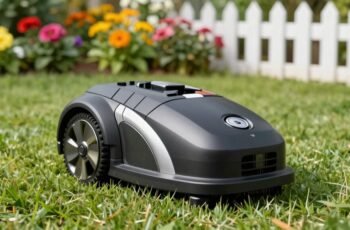
Like the ticking of a clock, the lifespan of a robot mower’s lithium battery marks the passage of time and usage. Understanding how long these batteries typically last and what influences their durability is essential for maintaining peak operation. Factors such as cycle count, environmental exposure, and maintenance practices all play a role in performance decline. Exploring these elements can help us better predict when a replacement is needed and how to extend battery life effectively.
Key Takeaways
- Typical lithium-ion robot mower batteries last 2 to 3 years with proper maintenance.
- Battery lifespan is affected by charge cycles, temperature, and usage patterns.
- Signs of deterioration include reduced runtime and longer charging times.
- To maximize lifespan, avoid deep discharges and store in a cool, dry place.
- Replace the battery when performance declines despite regular maintenance.
How Long Do Robot Mower Lithium Batteries Typically Last?
While lithium batteries in robot mowers are designed for durability, their lifespan typically ranges from 2 to 3 years under normal operating conditions. This duration depends heavily on charge cycles, usage frequency, and operational environment. Lithium-ion chemistry inherently limits cycle life, with each charge and discharge slowly degrading electrode materials. Over time, this results in reduced capacity and runtime. Efficiency drops as internal resistance increases, leading to longer charging times and diminished power delivery. Proper thermal management and consistent maintenance can mitigate some degradation, but the core chemistry ultimately constrains longevity. Consequently, users should anticipate battery replacement within this timeframe, especially if the mower experiences frequent or intensive use. Understanding these limitations helps in planning maintenance and optimizing performance over the battery’s lifespan.
Factors That Influence Battery Lifespan in Robot Mowers
Several factors directly impact the lifespan of lithium batteries in robot mowers, with operational conditions playing a crucial role. Temperature extremes markedly influence battery degradation; high temperatures accelerate chemical breakdown, reducing capacity, while cold temperatures hinder chemical reactions, impacting performance. Charging practices are also critical; frequent partial charges can promote long-term health, whereas deep discharges and overcharging induce stress and capacity loss. Usage frequency and mowing intensity further affect longevity; consistent heavy use accelerates wear, while lighter, optimized operation preserves battery health. Additionally, environmental factors like exposure to moisture or dirt can cause corrosion and internal damage. Proper maintenance, including regular cleaning and adhering to recommended charging cycles, is essential to mitigate these influences and extend overall lithium battery lifespan in robot mowers.
Signs Your Robot Mower Battery Is Nearing the End of Its Life
As lithium batteries in robot mowers age, their performance begins to decline, signaling that replacement may be imminent. Indicators include reduced operational efficiency and inconsistent mowing cycles. Symptoms to watch for are:
- Decreased run time: The mower stops prematurely, unable to complete scheduled cuts.
- Longer charging periods: Charging duration extends beyond normal, indicating diminished capacity.
- Erratic power output: Sudden loss of power during operation suggests degraded cell performance.
- Frequent reboots or errors: The mower displays error messages or restarts unexpectedly, reflecting internal power issues.
These signs point to internal chemical and structural deterioration within the battery. Recognizing these indicators early helps prevent unexpected failures and maintains mower performance.
Tips to Maximize the Lifespan of Your Robot Mower Battery
To extend the lifespan of your robot mower battery, implementing proper maintenance practices is essential. Regularly monitor charge cycles to prevent deep discharges, which can accelerate capacity loss. Ideal charging involves avoiding frequent partial charges and guaranteeing the battery reaches a full charge periodically, as lithium batteries benefit from complete cycles. Keep the battery and charging contacts clean to prevent corrosion and assure efficient power transfer. Store the mower in a cool, dry environment when not in use for extended periods, as high temperatures accelerate degradation. Additionally, avoid operating the mower in extreme weather conditions, which can strain the battery. Consistent, moderate use combined with proper storage and cleaning protocols minimizes stress on the battery, ultimately maximizing its operational lifespan.
When and How to Replace Your Robot Mower’s Lithium Battery
When the performance of your robot mower’s lithium battery declines markedly despite proper maintenance, it’s time to consider replacement. Recognizing the optimal moment involves monitoring runtime reductions, increased recharge cycles, or persistent error messages. To replace the battery effectively:
Monitor battery performance signs to determine the right time for replacement and ensure optimal mower operation.
- Power down and disconnect the mower from power sources
- Carefully remove the existing battery following manufacturer guidelines
- Verify compatibility with the mower model before installation
- Ensure proper sealing and secure connections to prevent moisture ingress
Performing a replacement with precision is crucial to maintain operational efficiency. Using genuine replacement batteries enhances longevity and safety. Regularly inspecting the battery compartment for corrosion or damage can preempt failures. Precise timing and methodical replacement ensure sustained performance and extend the overall lifespan of your mower’s power system.
Frequently Asked Questions
Are Lithium Batteries Environmentally Friendly for Robot Mowers?
Lithium batteries are relatively environmentally friendly for robot mowers due to their high energy efficiency and recyclability, reducing waste and emissions. However, proper disposal and recycling practices are essential to minimize environmental impact.
Can I Upgrade My Robot Mower’s Battery to a Higher Capacity?
Yes, you can upgrade your robot mower’s battery to a higher capacity. We’ve done it ourselves, like upgrading a car’s engine for better performance. Make sure compatibility with your mower’s specifications, and consider professional installation for safety.
How Does Temperature Affect Lithium Battery Performance in Robot Mowers?
Temperature considerably impacts lithium battery performance in robot mowers; high temperatures accelerate capacity loss and degrade cells, while cold conditions reduce efficiency and runtime. Ideal operation occurs within a moderate temperature range, ensuring longer battery life and consistent performance.
Is It Safe to Store Robot Mower Batteries Long-Term?
Like a delicate seed, storing robot mower batteries long-term requires careful conditions; we recommend keeping them in a cool, dry place at around 50% charge and avoiding extreme temperatures to guarantee safety and longevity.
What Are Common Manufacturing Defects in Robot Mower Lithium Batteries?
We find that manufacturing defects like inconsistent cell quality, poor soldering, and inadequate sealing often cause lithium battery issues in robot mowers. These faults can lead to capacity loss, overheating, or potential safety hazards, compromising overall battery performance and longevity.
Conclusion
By understanding the factors that affect our robot mower’s lithium battery lifespan, we can optimize its performance and longevity. Regular maintenance, timely replacements, and mindful usage are vital. It’s interesting how environmental conditions and charging habits coincidentally influence overall efficiency, reminding us that proper care isn’t just routine—it’s a strategic approach. Staying vigilant to signs of deterioration ensures we maximize battery life, ultimately enhancing our mower’s reliability and our lawn’s pristine condition over time.