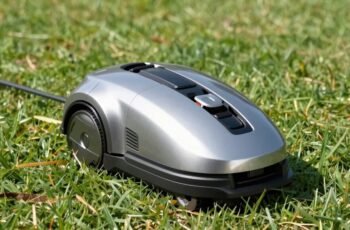
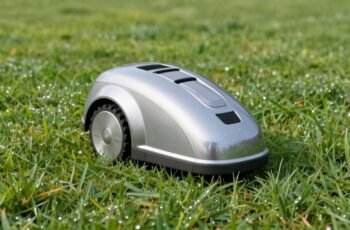
As we evaluate robotic lawn mowers, one key factor stands out: long runtime capabilities. Extended operating periods are essential for maintaining large properties efficiently, but they rely on advanced battery technology, motor efficiency, and smart power management. Understanding these systems helps us select models that maximize uptime while minimizing interruptions. Exploring how these features work together can reveal critical insights into optimizing lawn maintenance, prompting us to contemplate what other innovations are shaping this evolving landscape.
Key Takeaways
- Extended runtime is achieved through high-capacity batteries and efficient power management systems.
- Longer operation allows for larger lawn coverage with fewer recharges and more consistent mowing quality.
- High-capacity models typically offer 60-90 minutes of runtime, suitable for sizable lawns.
- Proper maintenance, such as blade sharpening and sensor cleaning, maximizes battery life and mower efficiency.
- Advanced features like adaptive terrain handling and obstacle sensors improve durability and operational longevity.
How Do Long Runtime Robot Lawn Mowers Work?
Long runtime robot lawn mowers operate by integrating high-capacity batteries with efficient power management systems to sustain extended mowing sessions. These mowers use advanced lithium-ion or lithium-polymer batteries designed to deliver sustained energy output while minimizing degradation over time. The power management system monitors battery health, optimizing energy flow and reducing waste. The mower’s motor, typically brushless DC, is engineered for high efficiency, converting stored electrical energy into mechanical motion with minimal energy loss. Additionally, intelligent control algorithms regulate mowing patterns, speed, and power consumption, ensuring consistent operation over long periods. These systems work cohesively to maximize operational duration, allowing the mower to cover large areas without frequent recharging, thereby improving productivity and reducing downtime.
Benefits of Extended Operating Time for Lawn Maintenance
Extended operating time allows for more thorough lawn coverage within a single session, minimizing the need for multiple passes. This enhances overall task efficiency by reducing idle periods and ensuring consistent mowing quality. Additionally, longer runtimes decrease maintenance interruptions, maintaining continuous operation and improving productivity.
Increased Lawn Coverage Time
Have you considered how increased lawn coverage time directly enhances the efficiency of maintenance routines? Longer operational periods allow the mower to systematically cover larger areas without interruption, reducing the frequency of manual interventions. This continuous coverage minimizes patchy or uneven mowing, leading to a more uniform finish. To illustrate:
| Benefit | Impact |
|---|---|
| Reduced Cycle Time | Fewer trips needed to complete the entire lawn |
| Consistent Coverage | Maintains uniform height and quality throughout |
| Lower Maintenance | Less frequent charging or manual restart needed |
This extended runtime ensures thorough coverage, improves overall precision, and optimizes resource utilization, making lawn maintenance more effective and less labor-intensive.
Enhanced Task Efficiency
By increasing the mower’s operating time, we can considerably boost task efficiency during lawn maintenance. Longer runtimes allow for more extensive coverage within a single session, reducing the need for multiple passes and overlapping zones. This minimizes idle time and enhances the mower’s movement algorithms, resulting in a more systematic and thorough cut pattern. Extended operation also enables the mower to handle larger lawns without interruption, ensuring consistent cutting quality across the entire area. Additionally, increased runtime facilitates better scheduling flexibility, allowing the mower to operate during ideal conditions without concern for battery depletion. Overall, this enhancement directly translates into more efficient use of time and resources, maximizing productivity while maintaining precise, uniform lawn care.
Reduced Maintenance Interruptions
Longer operating times considerably reduce the frequency of maintenance interruptions for robotic lawn mowers. Extended runtime means fewer cycles of recharging, which minimizes the wear and tear on power components and mechanical parts. This results in less frequent battery replacements and reduced motor strain, lowering overall maintenance requirements. Additionally, longer sessions decrease the need for manual intervention during mowing, allowing the mower to complete tasks more efficiently and with fewer stops. Reduced operational interruptions also decrease the likelihood of breakdowns caused by overheating or overuse, prolonging device lifespan. Consequently, the mower’s overall reliability improves, and maintenance schedules become more predictable. This efficiency benefits users by decreasing downtime, lowering maintenance costs, and maintaining consistent cutting performance over extended periods.
Key Features to Look for in a Long Runtime Robot Mower
When selecting a robot lawn mower designed for extended runtime, it’s vital to prioritize features that optimize efficiency and durability over prolonged operation periods. A high-capacity battery, such as lithium-ion, guarantees sustained power output and quick recharging cycles, reducing downtime. Additionally, advanced power management systems help regulate energy consumption, maximizing runtime per charge. Robust motor design with efficient blade mechanisms minimizes energy loss during operation. Weather-resistant construction enhances durability in diverse environmental conditions, preventing damage that could shorten operational lifespan. Precise navigation sensors, including boundary and obstacle detection, ensure efficient mowing paths, reducing unnecessary movement and conserving battery life. Ultimately, modular components facilitate easier maintenance and part replacement, supporting long-term performance and reliability.
Comparing Popular Long Runtime Robot Mowers on the Market
When comparing long runtime robot mowers, we focus on battery life durations, cutting efficiency features, and overall value. Analyzing these parameters helps us determine which models deliver ideal performance and cost-effectiveness. This approach guarantees we identify the most suitable options for sustained, efficient lawn maintenance.
Battery Life Durations
Have you ever wondered how different robot lawn mowers compare regarding battery life? To analyze this, we examine their runtime capacities under typical conditions. High-capacity batteries, such as 5,000 mAh or more, often deliver runtimes between 60 to 90 minutes per charge, enabling coverage of larger lawns. Some models incorporate intelligent battery management systems that optimize power consumption, extending operational periods. Conversely, lower-capacity batteries, around 2,500 mAh, result in shorter runtimes, typically 30-45 minutes, requiring more frequent recharging cycles. Variations also depend on factors like grass density, terrain, and mowing settings. Consequently, selecting a mower with a battery designed for specific yard sizes and operational demands ensures sustained performance, minimizing downtime and maximizing efficiency.
Cutting Efficiency Features
To maximize the effectiveness of long runtime robot mowers, examining their cutting efficiency features is essential. These features directly impact mowing quality and operational consistency. Key aspects include:
- Blade Design and Material: High-quality, sharp blades with corrosion-resistant alloys ensure clean cuts and durability over extended use.
- Cutting Width and Height Adjustment: Wider cutting decks cover more ground per pass, while precise height controls optimize turf health and uniformity.
- Mowing Pattern Algorithms: Advanced algorithms enable systematic, overlapping passes, reducing missed spots and improving overall neatness.
- Clipping Collection System: Efficient collection mechanisms prevent clogging, maintain cutting efficiency, and reduce the need for frequent maintenance.
Together, these features determine how effectively a mower maintains a consistent, healthy lawn over long runtimes.
Price and Value Comparison
Among the leading long-runtime robot mowers on the market, pricing varies considerably based on features, brand reputation, and included technology. Models with extended battery life and advanced navigation tend to command higher prices, reflecting their enhanced capabilities and reliability. For example, premium brands often incorporate sophisticated sensors, GPS mapping, and customizable mowing schedules, which improve efficiency but increase cost. Conversely, budget options may offer respectable runtimes but lack the advanced features that optimize performance and longevity. When evaluating value, it’s essential to contemplate not only upfront price but also long-term operational costs, maintenance, and potential upgrades. Ultimately, selecting the best long-runtime mower involves balancing initial investment with the added benefits of durability, technology, and overall mowing efficiency.
Tips for Maximizing Battery Life and Mowing Efficiency
Maximizing battery life and mowing efficiency requires a strategic approach to both operation and maintenance. Proper practices can extend runtime and enhance performance. First, ensure the mower’s blades are sharp; dull blades increase resistance, draining more power. Second, schedule mowing during optimal weather conditions—dry, moderate temperatures—reducing strain on the battery. Third, utilize the mower’s programmable zones and timers to optimize mowing patterns, avoiding unnecessary overlaps. Fourth, regularly clean sensors and vents to prevent overheating and maintain efficient airflow. These steps promote consistent power consumption and reduce wear on components. By focusing on these key areas, we can substantially improve the mower’s runtime and mowing effectiveness, ensuring a more reliable and cost-effective operation over the long term.
Common Challenges and How to Overcome Them
While robotic lawn mowers offer significant convenience, they also present specific challenges that can hinder ideal performance. One common issue is obstacle detection failure, often caused by sensor misalignment or dirt buildup, which can lead to collisions or missed areas. To address this, regular sensor cleaning and calibration are essential. Another challenge is uneven terrain, which can cause the mower to struggle with stability or effective cutting. Installing boundary wires properly and choosing models with adaptive terrain capabilities help mitigate these issues. Additionally, power management problems, such as premature battery depletion, may stem from insufficient charging stations or software glitches. Ensuring proper placement of charging docks and firmware updates can enhance reliability. Recognizing and proactively resolving these challenges guarantees maximum mower operation and longevity.
Maintenance Tips to Keep Your Robot Mower Running Longer
Regular maintenance is essential to prolong the lifespan and guarantee peak performance of your robot mower. Proper upkeep minimizes component wear and prevents unexpected failures. To maximize longevity, consider these key practices:
- Clean the blades and undercarriage regularly to prevent grass buildup, ensuring efficient cutting and preventing motor strain.
- Inspect and replace worn brushes and filters to maintain electrical contact and airflow, which improve overall system stability.
- Check and tighten wheel and blade bolts to prevent loosening during operation, reducing vibration and mechanical stress.
- Update firmware periodically to access performance improvements and security patches, keeping the mower functioning at its best.
Implementing these steps systematically ensures your mower operates efficiently, reduces downtime, and extends its operational lifespan.
Frequently Asked Questions
How Long Do These Mowers Typically Run on a Single Charge?
Typically, these mowers operate between 60 to 120 minutes per charge, depending on battery capacity, grass density, and cutting settings. We analyze power consumption carefully to optimize runtime, ensuring efficient, extended operation for diverse lawn conditions.
Are Long Runtime Mowers Suitable for All Lawn Sizes?
Long runtime mowers are ideal for large lawns, covering up to 2 acres per charge, but may be less suitable for small yards due to their size and energy consumption, which can be inefficient in smaller spaces.
What Safety Features Are Included in Extended Runtime Models?
Extended runtime models include safety features such as obstacle detection sensors, automatic shutdown systems, boundary wire recognition, and emergency stop buttons, ensuring safe operation during prolonged use and minimizing risks for users and pets alike.
Can These Mowers Handle Uneven or Hilly Terrain?
Like a mountain goat, these mowers handle uneven terrain well, thanks to adaptive wheels and advanced sensors that adjust to slopes, ensuring stability and efficient cutting on hilly surfaces, though extreme inclines may require manual intervention.
How Often Should the Batteries Be Replaced for Optimal Performance?
We recommend replacing batteries every 2-3 years for ideal performance, as battery capacity and efficiency decline over time. Regular monitoring of runtime and charging cycles helps determine the precise replacement interval, ensuring consistent mowing quality.
Conclusion
In summary, long runtime robot lawn mowers greatly enhance efficiency, especially for large properties, by covering up to 2,000 square meters per charge. Their advanced battery and sensor systems minimize downtime, ensuring consistent maintenance with reduced manual intervention. Studies show that enhanced battery management can extend operational lifespan by 30%, underscoring the importance of strategic usage and maintenance. Embracing these technologies leads to cost savings and ideal lawn health, making them an essential tool for modern lawn care.